The world is ours to explore
Free, open travel guide. Written by humans and AI together.

Stories worth travelling for
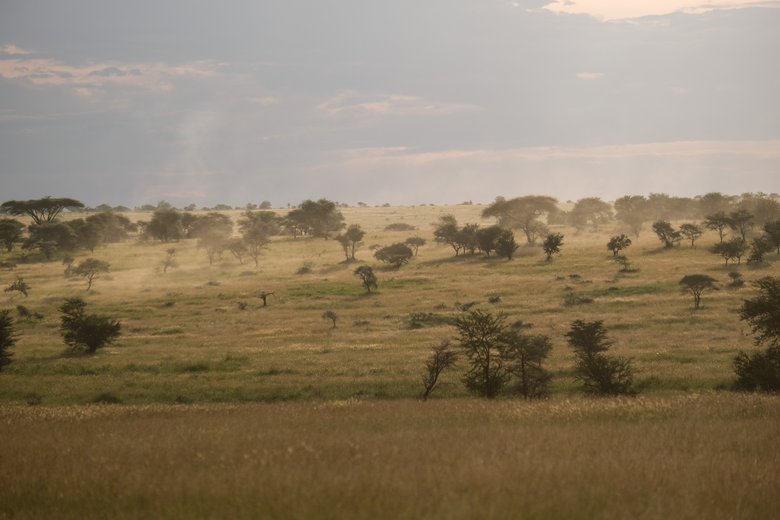
Meskal
Meskal (also spelled Meskel) is one of Ethiopia's most spectacular festivals, a two-day celebration at the end of September marking the Finding of the True Cross. The date coincides with the end of the rainy season, when the hillsides turn yellow with meskal daisies. The heart of the celebration is the Demera, a massive bonfire built in a cone shape and topped with a cross decorated with flowers.
Ethiopia
Killing Fields of Choeung Ek
The audio guide at Choeung Ek is the work of survivor Him Huy, one of the few S-21 guards to talk publicly about his work. He describes the killings in the first person — the trees against which infants were dashed, the loudspeaker mounted on a sugar palm to drown out screams with revolutionary songs. It is one of the most extraordinary first-person testimonies on any museum audio tour.
Phnom Penh
Pagode de Chanteloup
The pagoda is almost all that remains of the Château de Chanteloup, one of the grandest estates in 18th-century France. The duke who owned it fell out of favour at Versailles and, in a pointed gesture, built this pagoda as a monument to the friends who stayed loyal to him during his exile. The chateau itself was demolished for its materials in 1823.
Amboise
Tangier Inn
Small but full of character, the Tangier Inn was a favourite of the Beat writers: Burroughs, Kerouac, and Ginsberg all drank here. The atmosphere and heritage are first-class. Recommended by locals and travellers alike as a good place to sit and have a drink when the bustle of the city gets to you. Located on Rue Magellan.
Tangier
Bled Castle
The castle's small museum displays a printing press built to mark the 500th anniversary of Gutenberg — visitors can produce their own souvenir page, set in lead type, on the working machine. Slovenia's oldest castle is also the only one in the country where the printed word and the printing press both predate the regional language being recognised as Slovene.
Bled
Carrières de Lumières
The quarry was originally dug to extract bauxite — the mineral was first identified in this area in 1821, and the name "bauxite" comes directly from Les Baux. The stone extracted here helped build much of Arles. Today the same rock face that was carved out serves as a 7,000-square-metre canvas for light.
Les Baux-de-Provence
Around the world in in-depth destination guides
6,678 featured destination guides — search all 138,073 pages →
World66
Embed this globe
- Wix: Add Elements, Embed Code, then Embed HTML and paste this code.
- Squarespace: Add an Embed block, choose code mode, then paste this code.
- Webflow: Add a Code Embed element and paste this code.
World66
Embed this photo map
- Wix: Add Elements, Embed Code, then Embed HTML and paste this code.
- Squarespace: Add an Embed block, choose code mode, then paste this code.
- Webflow: Add a Code Embed element and paste this code.