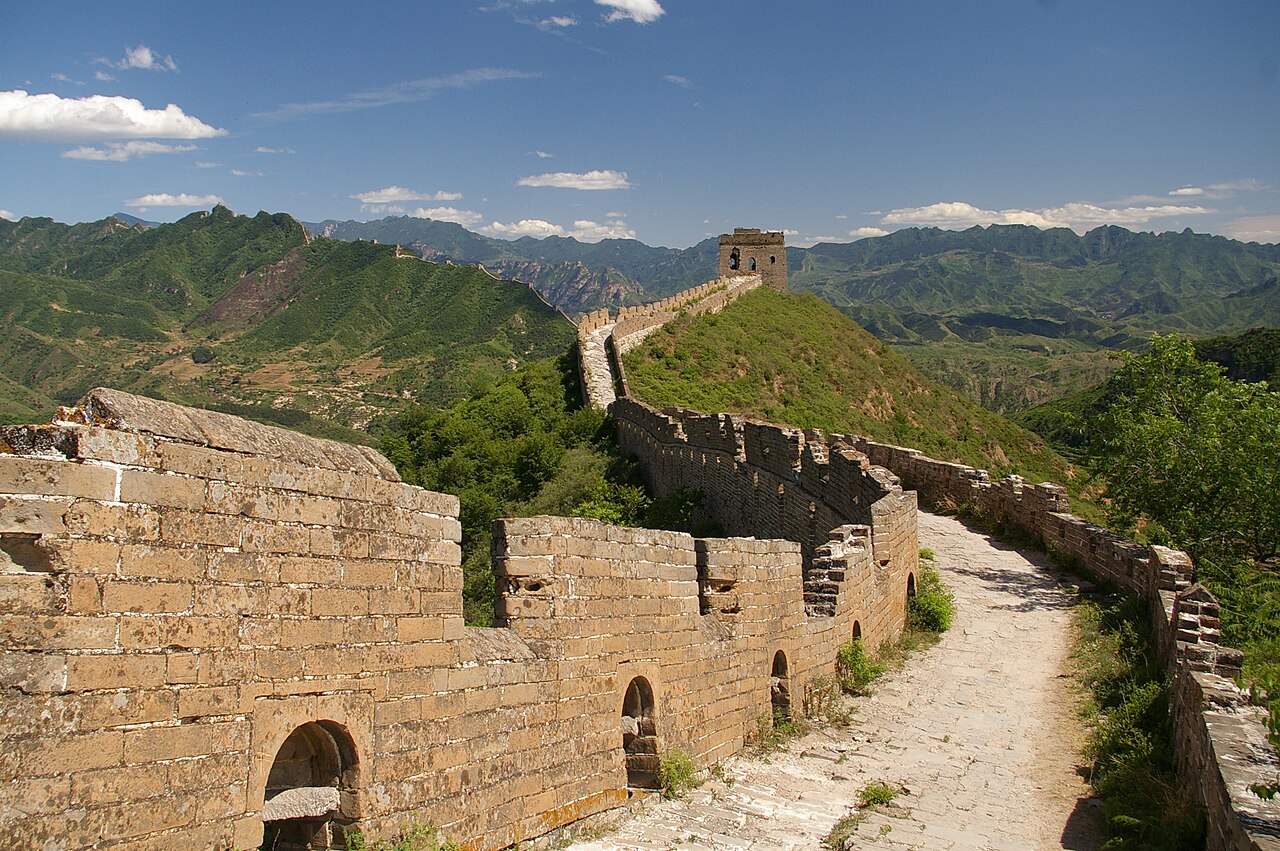
Steep, largely unrestored Great Wall section northeast of Beijing, with watchtowers on narrow ridges.
Simatai is one of the few sections of the Great Wall that has been left largely unrestored, and that is exactly its appeal. The wall here is steep and crumbling in places, with watchtowers perched on narrow ridges that drop away sharply on both sides. It feels like the real thing in a way that the polished sections at Badaling never will. Located about 120 kilometres northeast of Beijing, in Miyun District, Simatai offers the Great Wall experience that most visitors imagine but rarely find.
A hiking trail connects Simatai to the Jinshanling section to the west, a roughly three-hour walk along the wall with some of the best views anywhere on the structure. The terrain is genuinely demanding — some sections involve scrambling on steep, crumbling stone, and a few towers are accessible only to confident walkers. This is not the wall you visit with a tour bus; it rewards those who come prepared.
Since 2014, visits require advance reservations and visitor numbers are capped, which keeps the crowds manageable. Simatai is also one of the only sections of the Great Wall open for night visits, when the watchtowers are lit up against the dark mountains. The ancient town of Gubei Water Town at the base of the wall makes a convenient overnight stop and lets you get up on the wall early in the morning before the day visitors arrive.
Guide
Getting There
Simatai is about 120 kilometres northeast of Beijing, and the journey takes around two hours by car. The most convenient option is to hire a car or join an organised day trip from Beijing — public transport connections are minimal and involve multiple changes. From Beijing, take the G101 highway northeast toward Miyun, then continue to Gubeikou.
The Gubei Water Town resort operates shuttle buses from Beijing on weekends and holidays, which is worth checking if you are staying there. Taxis from central Beijing cost around 400–600 yuan for the round trip; negotiate before setting off. The drive passes through pleasant countryside and the last stretch through the mountains is scenic.
Guide
When to Go
Spring (April and May) and autumn (September and October) are the best seasons for visiting Simatai. The views are clearest in autumn when the air is dry and the mountain foliage turns gold and red, and the temperatures are comfortable for the steep climb. Spring is also excellent, with wildflowers on the hillsides and fewer visitors than the national holiday periods.
Avoid the National Day holiday (first week of October) and Chinese New Year, when even the capped visitor numbers at Simatai feel crowded and the access roads back up. Summer visits are possible but the heat on the exposed stone ridges can be brutal by midday — start early if you go in July or August. Winter is cold but the wall under snow is genuinely beautiful, and visitor numbers drop sharply; check in advance that Simatai is open, as it sometimes closes for maintenance in the off-season.
The night visit program runs on weekends and select evenings — book in advance through the Simatai or Gubei Water Town booking systems.