Dead Sea
©
Dead Sea

Dead Sea

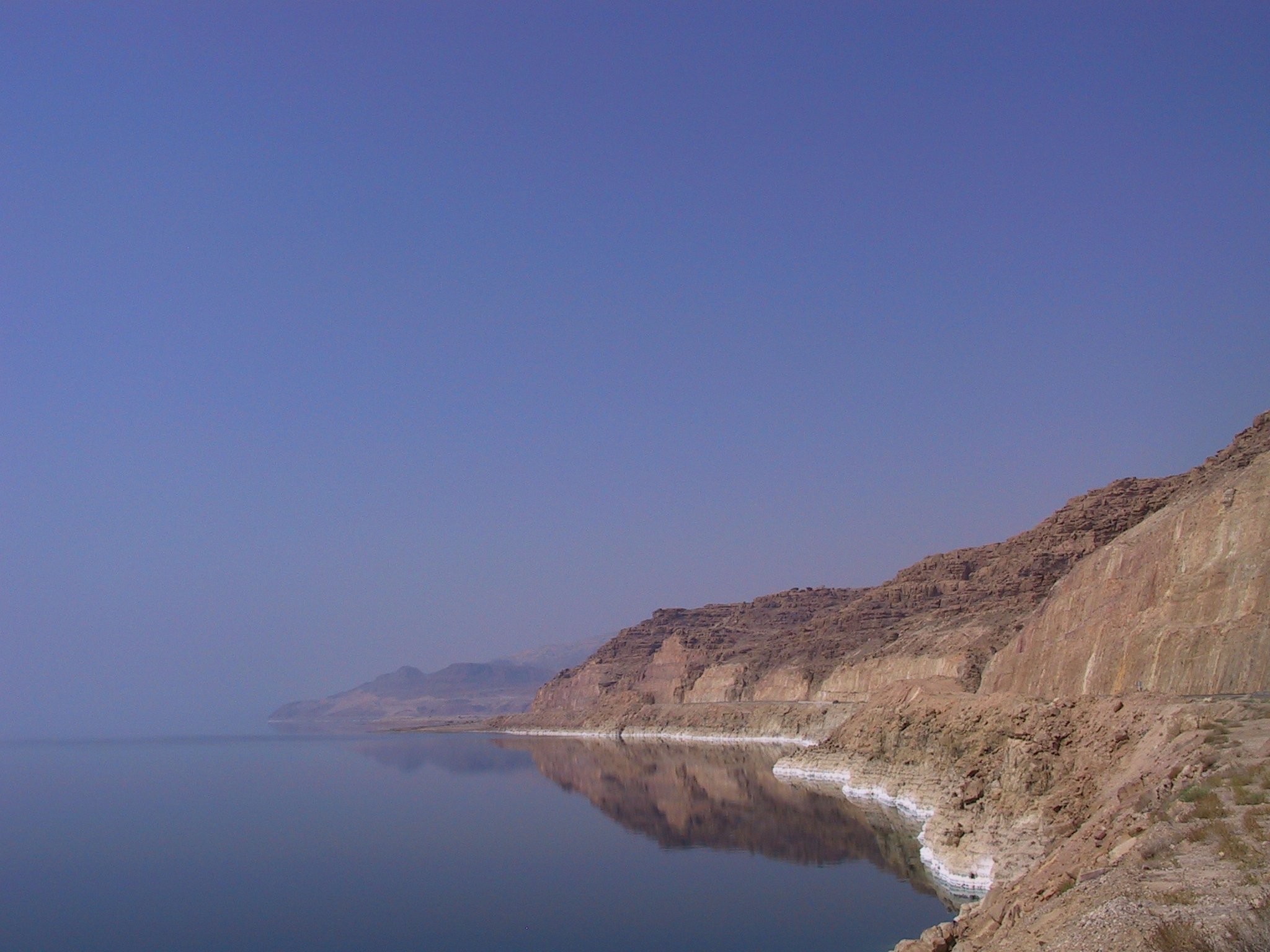
Hypersaline desert lake below sea level where mineral cliffs frame Jordan's famously buoyant shore.

The Dead Sea is one of the world's most extraordinary natural phenomena — a vast, hypersaline lake sitting more than 400 metres below sea level, making it the lowest point on Earth's surface. Fed by the Jordan River but with no outflow, the water is nearly ten times saltier than the ocean, creating a density so high that anyone who enters simply floats. Lying back on the glassy surface, newspaper in hand if you choose the cliché, is a genuinely surreal experience.

The shoreline straddles Jordan and Israel, but the Jordanian side offers the more relaxed approach — a string of resort hotels set against bare, mineral-streaked cliffs that glow amber and ochre at sunset. The therapeutic reputation is ancient: Cleopatra is said to have imported Dead Sea mud for her skin, and King Herod built a palace nearby to benefit from the climate. Today the mud baths and spa treatments draw visitors from around the world, and the dense, oxygen-rich air is said to be gentler on the lungs than anywhere else.

Beyond the sea itself, the surrounding region holds more than most visitors expect. Nearby Wadi Mujib cuts a dramatic canyon to the waterline and offers a spectacular slot-canyon wading trail. The Baptism Site at Al-Maghtas, a UNESCO World Heritage Site, lies only a short drive north. And the ancient mosaics at Madaba and Mount Nebo — where Moses is said to have seen the Promised Land — are both easily reached in a day. Further south, the clifftop fortress of Machaerus is where John the Baptist was imprisoned and executed. The Ma'in Hot Springs, a gorge of steaming thermal waterfalls, make a memorable half-day stop.

The sea has been shrinking for decades, its levels dropping as water is diverted from the Jordan River. What exists today is still magnificent, but it is not the same sea that travellers encountered a generation ago. Visit while you can.

Guide

Getting There

The Dead Sea is accessible only by road — there is no public transport serving the Jordanian shoreline. The standard approach is from Amman, which is about 55 km and 50 minutes away by car via the Dead Sea Highway. The road descends dramatically from 800 metres above sea level to 430 metres below it in a short distance, with views of the sea and the cliffs improving as you descend.

From Amman: Taxis and hired cars are the standard transport. Uber operates in Amman and can do the run, though surge pricing applies. Several tour operators in Amman offer day trips that combine a Dead Sea swim with a visit to the Baptism Site, Mount Nebo, or Madaba. Renting a car from Amman gives the most flexibility for the region.

From Aqaba: The Dead Sea is about 4 hours from Aqaba via the King's Highway, a scenic route through Wadi Rum and the highlands. This makes for a good two-day itinerary combining Petra or Wadi Rum with the Dead Sea before flying out of Amman.

From Israel: The Israeli side of the Dead Sea is accessible separately; crossing between the Jordanian and Israeli sides requires going through the Sheikh Hussein/Jordan River Crossing or Allenby/King Hussein Bridge border crossings, which involve customs processing and are not quick.

Climate note: The Dead Sea region is extremely hot in summer (May–September), with temperatures regularly above 40°C. The air is dense and oxygen-rich, which is partly why the climate is considered therapeutic. Winter is comfortable, around 20°C during the day. Most visitors who want to swim comfortably come between October and April.

Guide

Things to Do

There are few places on earth where simply getting in the water counts as the headline attraction — but at the Dead Sea, floating is genuinely the thing to do. Wade in at any hotel beach, lean back, and the water does the rest. The density is almost alarming: you cannot sink. Smear on the dark mineral mud from the shoreline, let it dry in the sun, and rinse off in the sea for skin that feels noticeably softer. The experience is backed by real therapeutic claims — the mud is rich in magnesium, potassium and bromine, and has long been used to treat psoriasis and other skin conditions.

The resort strip on the Jordanian side is anchored by a cluster of large spa hotels, several of which open their beaches and facilities to day visitors. The ZARA Spa at the Mövenpick is the standout, offering Dead Sea mud wraps, salt scrubs, and hot-stone massages in a setting that overlooks the water. Thermal pools and kneipp foot-massage paths round out the experience.

Beyond the sea, the surrounding landscape rewards exploration. Wadi Mujib is the most dramatic of the nearby canyons — its lower gorge involves wading waist-deep through a slot canyon to a waterfall, a guided hike operated by the Royal Society for the Conservation of Nature. The Baptism Site at Al-Maghtas, a UNESCO World Heritage Site just north of the sea, is where Jesus is believed to have been baptised by John the Baptist; the excavated pools, ancient church remains and the slow bend of the Jordan River make it a quietly moving place.

Further afield but an easy day trip, Mount Nebo offers a sweeping panorama across the Dead Sea valley to the West Bank — traditionally the spot where Moses stood before his death. The church on the summit contains outstanding Byzantine mosaics. Madaba, a few kilometres away, holds the oldest surviving map of the Holy Land: a 6th-century mosaic floor in St George's Church that still draws pilgrims and travellers alike. The Ma'in Hot Springs, with their thermal waterfall cascades, make a worthwhile half-day.

The clifftop fortress of Machaerus — where John the Baptist was executed — looms above the southern Dead Sea and is rarely visited despite its extraordinary history. The ancient fortress of Masada, while on the Israeli side, is visible from the Jordanian shore and accessible as a longer excursion.

Guide

When to Go

The Dead Sea region has a hot desert climate moderated slightly by its extreme below-sea-level position. The dense, oxygen-rich air and the therapeutic mud and mineral water attract visitors year-round, but the optimal seasons depend on what you plan to do.

October to April is the best window for most activities. Day temperatures are comfortable (18–25°C), nights are cool, and the air feels crisp and clear. The Dead Sea itself remains warm enough for swimming — water temperature varies little year-round, staying around 30–33°C. Hiking in Wadi Mujib and visiting outdoor sites like Machaerus and Mount Nebo is most pleasant in this period.

May to September is very hot. The temperature on the shore regularly exceeds 40°C and occasionally reaches 45°C. Swimming in the sea itself is pleasant — the water is warm and the flotation experience unchanged — but the beach time before and after involves significant heat exposure. The Wadi Mujib canyon trail runs in summer but can be hazardous in extreme heat; the RSCN sometimes closes it during heat waves.

Wadi Mujib seasonality: The canyon trail is only open March to October, avoiding the flash flood risk season. Exact opening dates vary; check with the RSCN before planning.

The Dead Sea level drops roughly one metre per year due to water diversion from the Jordan River. The shoreline has receded significantly since the mid-20th century. This is a place to visit sooner rather than later — what remains is spectacular, but it is not what existed a generation ago.

Picked by people who know it

What most visitors miss

Know Dead Sea?

Nobody has picked anything here yet. Tell us the one thing most visitors miss, or what we got wrong. We read every mail, update the guide and write back.