Camagüey has the most confusing street plan in Cuba, and the story goes that it is deliberate: after Henry Morgan sacked the town in 1668, it was rebuilt as a warren of curving alleys, blind corners and irregular squares so that raiders coming up from the coast would lose themselves in it. Whether or not that is the real reason — the alternative explanation is that the streets simply followed cattle tracks — the effect is the same, and the historic centre became a UNESCO site in 2008 largely because of it.
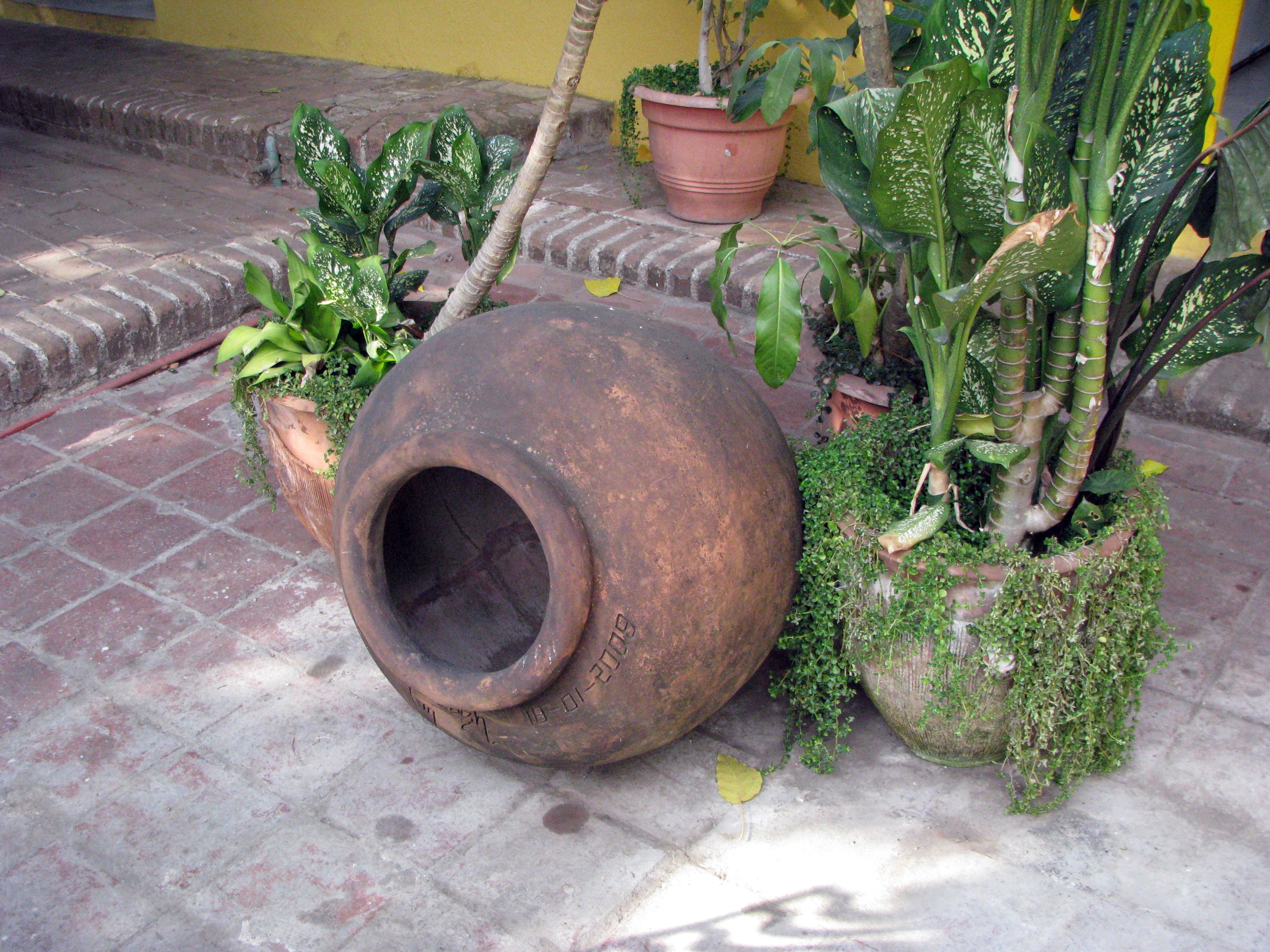
The other thing you notice is the tinajones: enormous earthenware jars, some of them man-sized, standing in courtyards all over the city. They were made here from the seventeenth century to catch rainwater in a place with no reliable river, and there are said to be more than fifteen thousand left.
This is Cuba's third largest city and a working provincial capital rather than a museum, with a serious cultural life — the Ballet de Camagüey is the country's second company, and whatever is on at the Teatro Principal is usually worth the ticket. Plaza San Juan de Dios is the best-preserved square, with its eighteenth-century hospital, and the Casino Campestre is the largest urban park in the country.
It sits on the central highway and the rail line halfway between Havana and Santiago, which makes it the natural break on the long journey east.