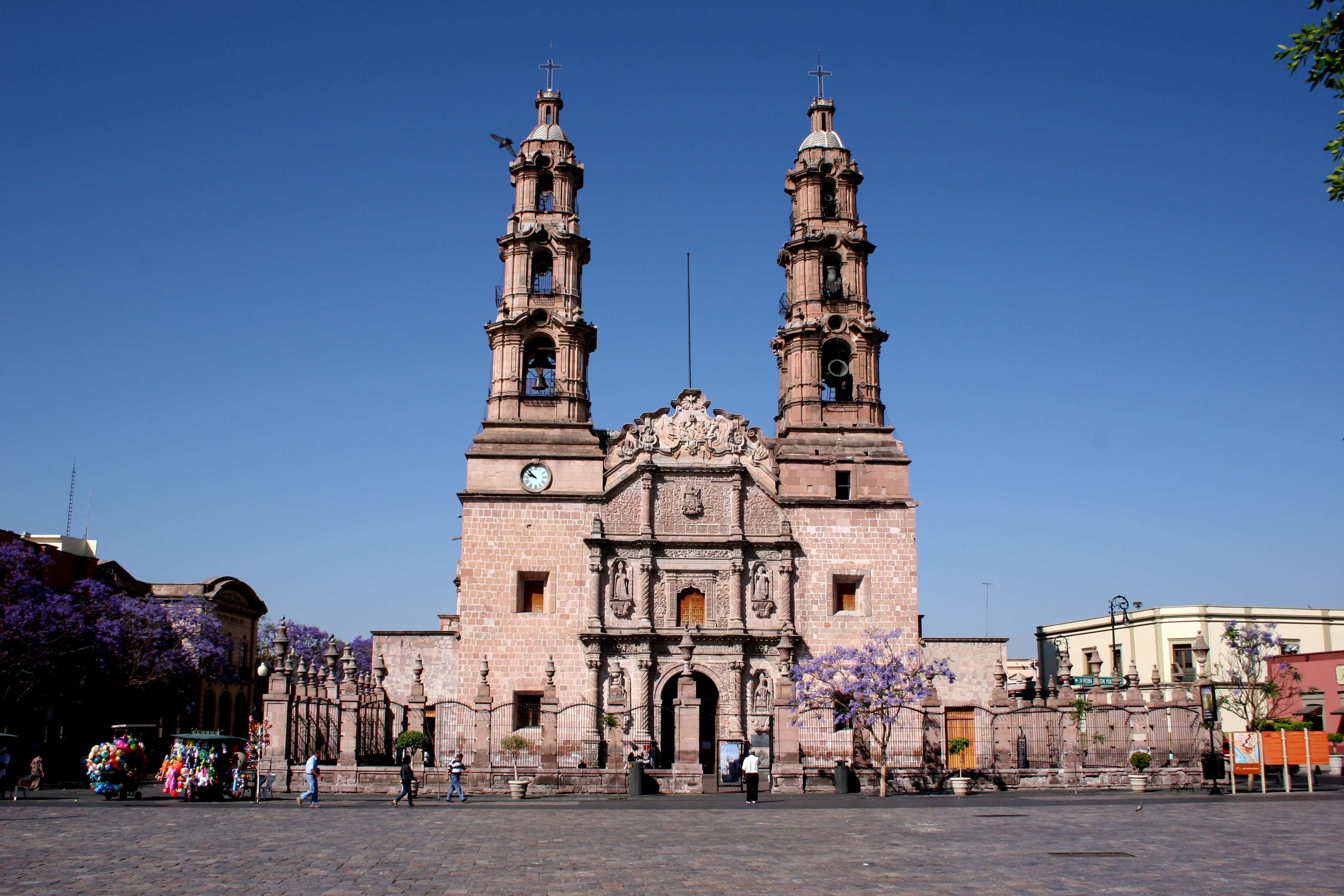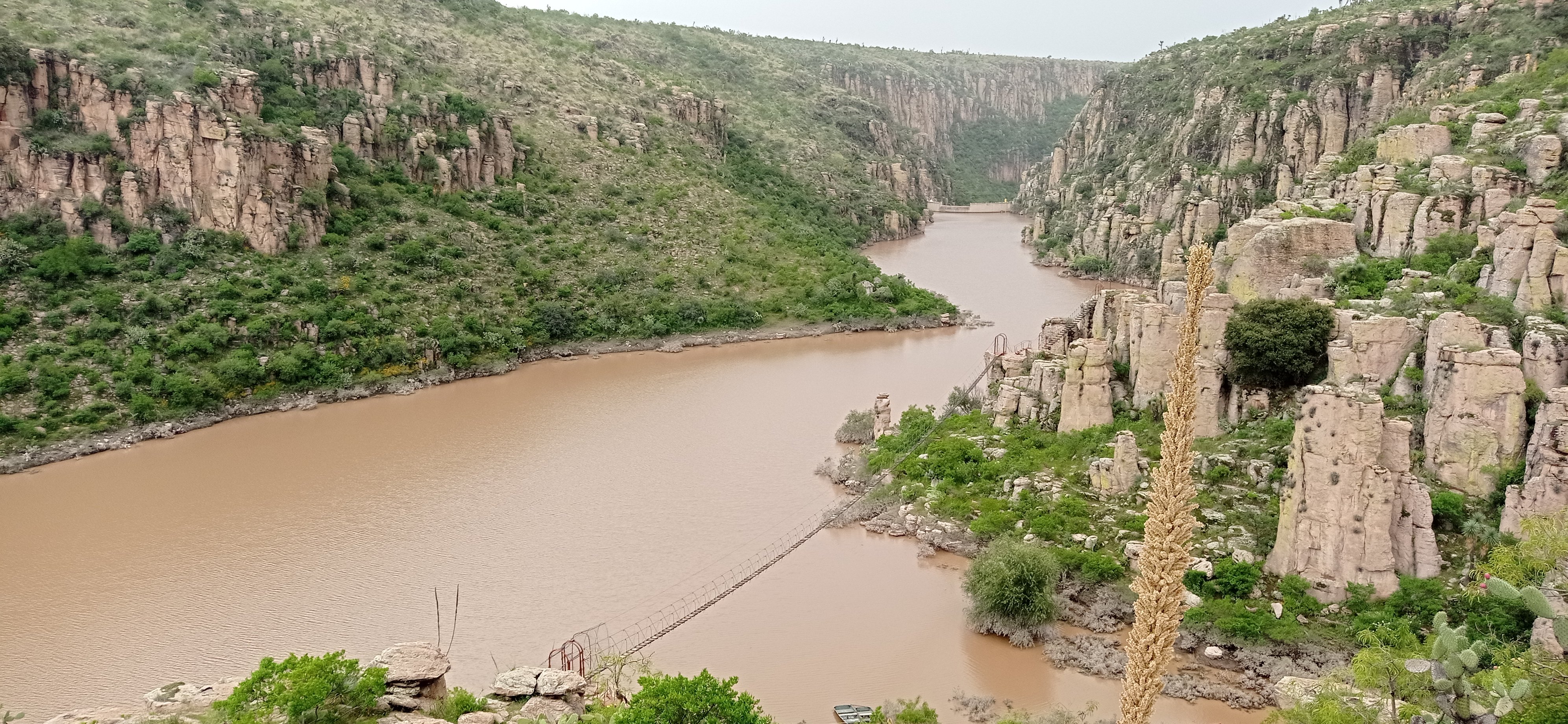
Aguascalientes is one of the smallest states and is named for its hot springs, which have been bathed in since before the Spanish.
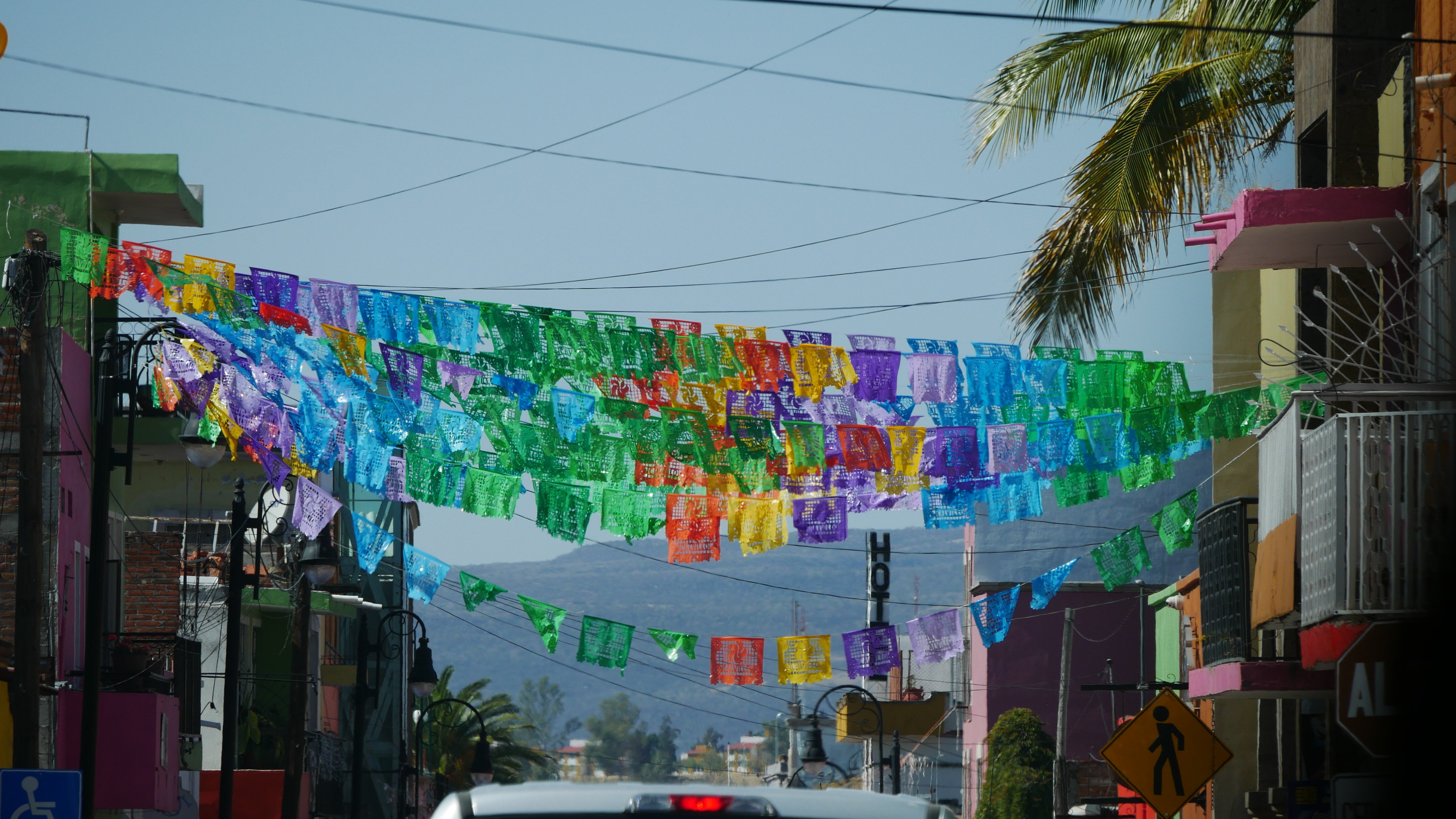
Aguascalientes city grew on the railway — the workshops were the largest in the country — and it hosts the Feria Nacional de San Marcos each April, the biggest fair in Mexico, running three weeks with bullfights, cockfights and a great deal of drinking.
Its other export is an image. José Guadalupe Posada, born here in 1852, engraved the skeletons that became the visual language of the Day of the Dead; his Calavera Garbancera was later renamed La Catrina by Diego Rivera and is now on every Mexican souvenir stall. The museum devoted to him is one of the best small museums in the country.
Calvillo grows most of Mexico's guavas and sits in a valley of them. Pabellón de Hidalgo is where Hidalgo was stripped of command of the insurgent army in 1811, a few months before his execution.