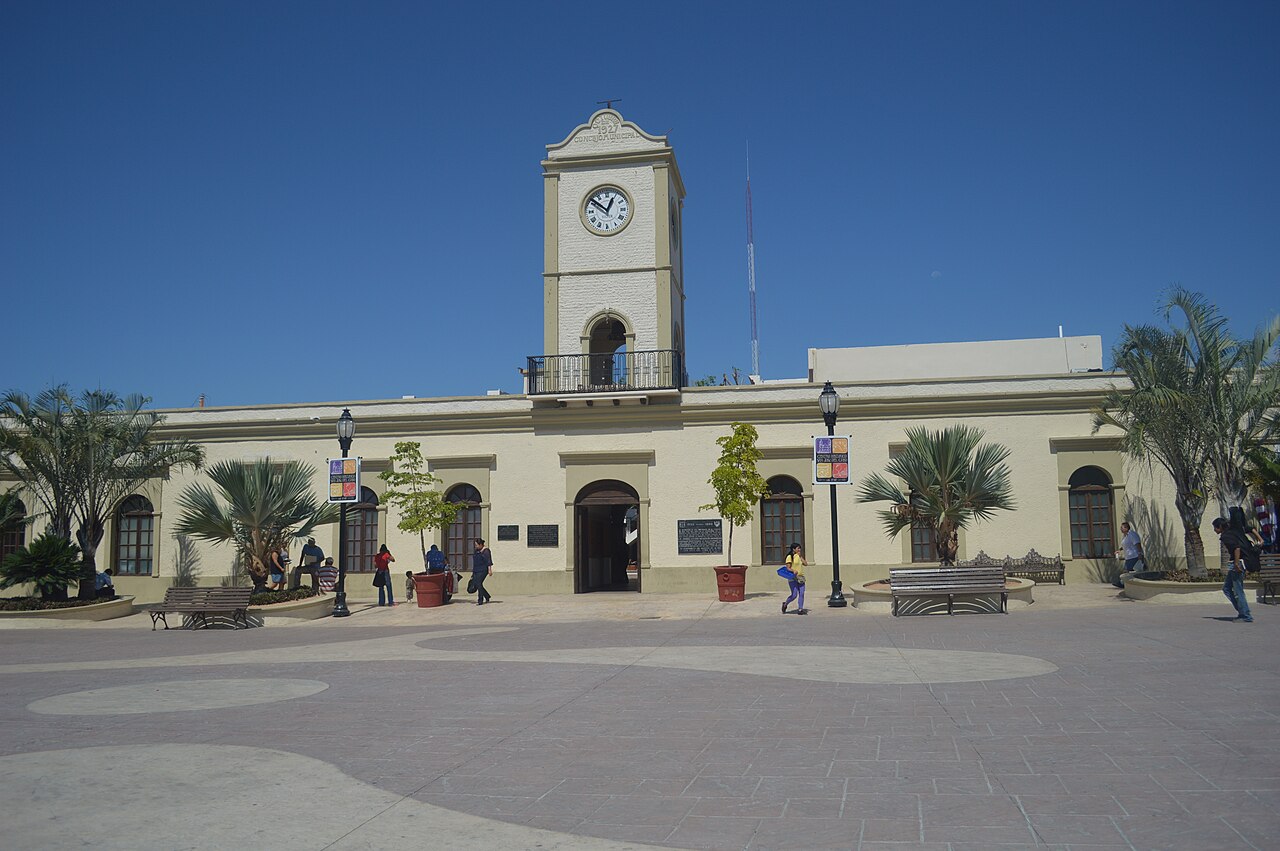
San Jose del Cabo
©
San Jose del Cabo

San Jose del Cabo

Quieter Los Cabos town with a colonial centre, gallery district, and estuary by the Sea of Cortez.

San José del Cabo is the quieter, more cultured half of the Los Cabos resort area at the southern tip of Baja California. While neighbouring Cabo San Lucas draws the party crowd, San José has a genuine Mexican town centre with colonial architecture, a handsome church on Plaza Mijares, and a Thursday-evening art walk through the galleries along Calle Álvaro Obregón.

The town sits where a freshwater estuary meets the Sea of Cortez, and the San José Estuary is a protected bird sanctuary — a surprising pocket of green in this otherwise arid landscape. You can walk the boardwalk trail and spot herons, frigatebirds, and the occasional crocodile. The beaches south of town have a strong shore break — Costa Azul is the main surf break — though Playa Palmilla, a sheltered cove further south, has calm water and good snorkelling.

The restaurant scene has improved dramatically in recent years. The centro histórico has several excellent Mexican restaurants and mezcalerías, and prices are considerably lower than the resort corridor. The organic market on Saturday mornings is worth a visit for fresh tamales, local cheese, and Baja wines. From San José you can arrange diving trips to Cabo Pulmo, one of the best coral reefs in the Sea of Cortez, about 90 minutes up the coast.

Guide

Bars and Cafes

San José drinks quietly compared to the louder scene in Cabo San Lucas. The mezcalerías in the centro histórico are the most characterful option: mezcal produced in the Oaxacan tradition but often using locally sourced agave, served neat with an orange slice and sal de gusano (worm salt). The Baja Brewing Company, one of the few craft breweries on the peninsula, is a reliable option for cold local beer and informal food on the main boulevard.

The Thursday art walk brings the gallery district to life in the evenings — galleries on Calle Álvaro Obregón open late, serve drinks, and the street fills with a sociable mix of locals, expats, and visitors. The weekly rhythm of the town is shaped by this event more than anything else.

Guide

Beaches

San José's beaches line the Sea of Cortez coast south and east of town. The strong shore break along most of the beach in front of the hotels makes swimming unsafe — the water is beautiful to look at but deceptive — and the calmest water is at Playa Palmilla, a small sheltered cove 15 minutes south of town with clear water and good snorkelling.

Playa Costa Azul, directly south of town, is the best surf beach in the Los Cabos area, with a consistent reef break that handles swells from the south Pacific. A surf camp operates at the beach. La Playita (The Little Beach), east of town near the estuary, is a working fishing beach where sport fishing boats depart and the fishermen sell their catch directly off the boats in the morning. Swimming is not advised but the atmosphere is genuinely local.

For protected swimming outside Palmilla, the best options are beaches further up the corridor toward Cabo San Lucas — Playa Chileno and Playa Santa Maria both have calm, clear water with offshore reefs.

Guide

Day Trips

Cabo Pulmo (90 minutes north on the East Cape road) is the most important coral reef in the Sea of Cortez — a UNESCO World Heritage Site that bounced back from near-total collapse after local fishing was banned in 1995. The reef now has some of the densest fish populations in the Eastern Pacific. Boat trips and diving can be arranged from the small village.

Sierra de la Laguna Biosphere Reserve begins immediately inland from San José: a mountain range rising to 2,000 metres that contains the only tropical forest on a major desert peninsula in the world. Guided hikes to the interior — where pine and oak forests suddenly appear at altitude — take two to three days, but day hikes to the lower forest zone are manageable.

La Paz (3 hours north) is the capital of Baja California Sur and a completely different experience from the resort coast: a real Mexican city with a beautiful waterfront malecón, the excellent Museo Regional de Antropología, excellent whale shark snorkelling nearby (in season), and the world's most comfortable ferry terminal for crossing to the mainland.

Todos Santos (90 minutes northwest) is a small town on the Pacific coast with a thriving art gallery scene, good surf, and the famous (if somewhat misrepresented) Hotel California. A pleasant alternative to an afternoon in Los Cabos.

Guide

Eating Out

San José del Cabo eats better than its modest size suggests. The centro histórico has a cluster of restaurants around Plaza Mijares and along Calle Álvaro Obregón covering everything from traditional Mexican to modern Baja cuisine — and prices are considerably lower than the resort corridor hotels along the beach. The organic Saturday market on Calle Coronado is worth arriving early for: fresh tamales, local cheese, artisan mezcal, and produce from the sierra.

The Baja kitchen makes heavy use of the sea: fresh tuna, dorado, and shrimp come off boats that dock at La Playita a few kilometres east. The local style combines these with ingredients from the huertas (small farms) in the mountains behind the city — avocado, papaya, chilies, and citrus. For a traditional sit-down meal, the restaurants around Plaza Mijares fill with a mixed local and visitor crowd well into the evening.

Guide

Getting Around

The centro histórico of San José is compact and walkable. The beach area south of town is a 15-20 minute walk or a short taxi ride. The tourist corridor between San José and Cabo San Lucas is not walkable — it runs for 30 kilometres along the coast — so a car, taxi, or the Subur Cabos bus service is necessary for moving between the two towns.

Taxis in San José are inexpensive by North American standards for town trips; negotiate the fare before getting in. Ride-hailing apps have limited coverage in this part of Baja. Hiring a car at the airport is practical if you plan to explore independently — the road to Cabo Pulmo (90 minutes up the coast) requires a vehicle, and most of the beaches north and south of town have limited public transport.

Guide

Getting There

Los Cabos International Airport (SJD) is the main entry point, about 10 kilometres north of San José. Direct flights operate year-round from numerous US cities (Los Angeles, San Francisco, Dallas, Houston, Phoenix, Seattle) and from Canada (Toronto, Calgary, Vancouver). Aeromexico and Volaris operate domestic connections from Mexico City and other Mexican cities.

Shared shuttles (colectivos) run between the airport and both San José del Cabo and Cabo San Lucas; book in advance or negotiate at the arrivals hall. Taxis are more expensive but plentiful. Car rental desks operate in the arrivals area.

By road, San José is at the southern end of the Trans-Peninsular Highway (Mexico 1), which runs the full length of the Baja Peninsula from Tijuana — about 1,600 kilometres. The highway is fully paved but fuel stations are sparse in sections; fill up whenever possible.

Guide

Shopping

The art galleries on Calle Álvaro Obregón are the most interesting retail in San José, particularly on Thursday evenings when the weekly art walk takes place. The galleries represent local and national Mexican artists, with prices varying from affordable prints to serious canvases. The weekend organic market on Calle Coronado (Saturdays, morning only) is the best food shopping in the Los Cabos area — local mezcal, Baja wines, cheese, and fresh produce from farms in the sierra.

For handicrafts, the stalls around Plaza Mijares sell typical Mexican tourist goods, but the better specialist shops on Boulevard Mijares have higher quality Talavera ceramics, silver jewellery, and handwoven textiles. The Las Tiendas de Palmilla shopping centre on the tourist corridor is upscale and air-conditioned; it handles jewellery and designer clothing for the resort crowd.

Guide

Things to Do

San José del Cabo divides neatly into the town and the water. The colonial centro histórico — centred on the main plaza and the Parroquia San José church — is a calm place to spend a morning: the Thursday evening art walk through the galleries on Calle Álvaro Obregón is the best introduction to the local scene. The estuary bird sanctuary is a short walk or bike ride from the plaza.

Out on the water, the options are extensive: surfing at Costa Azul, snorkelling at Playa Palmilla, sport fishing from La Playita, kayaking the estuary, and diving at Cabo Pulmo. The 30-kilometre corridor between San José and Cabo San Lucas has most of the major water sports operators, and day trips to Los Islotes sea lion colony and Cabo Pulmo's coral reef are easily arranged.

Guide

When to Go

November to May is the main visitor season: dry, warm, and reliable. Temperatures range from a comfortable 20°C at night in December to 30°C in May. This is also whale shark season in the Sea of Cortez (October to May), and humpback whale calving season near Cabo (January to March). Spring Break in March and April brings heavy crowds and inflated prices.

June to October is the hot, humid season with hurricane risk peaking in September. Summer temperatures regularly reach 38°C. Diving and fishing are excellent in summer — the water is warmest and dorado, marlin, and wahoo are running — and prices are substantially lower. Tropical storms affect the region roughly once every few years; most cause heavy rain rather than severe damage in San José itself, but it is worth monitoring the forecast.

The clear shoulder windows — October and early November — offer the best combination of comfortable temperatures, lower prices, and the start of the fishing and whale season.