Jalcomulco
©
Jalcomulco

Jalcomulco

River village on the Antigua, and the centre of whitewater rafting in Mexico

A village of a few thousand people in a hot green valley an hour from Xalapa, on a river that comes down off the Cofre de Perote and runs to the Gulf. It is the centre of whitewater rafting in Mexico, and that is essentially all it is.

The river is the Río Antigua, called the Río Pescados along the stretch beside the village. It is runnable all year — unusual in Mexico, where most rivers are seasonal — because the Veracruz slope catches rain off the Gulf for most of the year. The standard commercial run is class III with a few class IV drops in the wet season, takes two to three hours, and is sold to people who have never been in a raft.

Outfitters line the road in and keep camps along the bank. Most sell the river as part of a weekend with rappelling, ziplines, a temazcal and food, which is how Mexican visitors from Veracruz city and Mexico City usually take it. Weekends are busy and midweek is not.

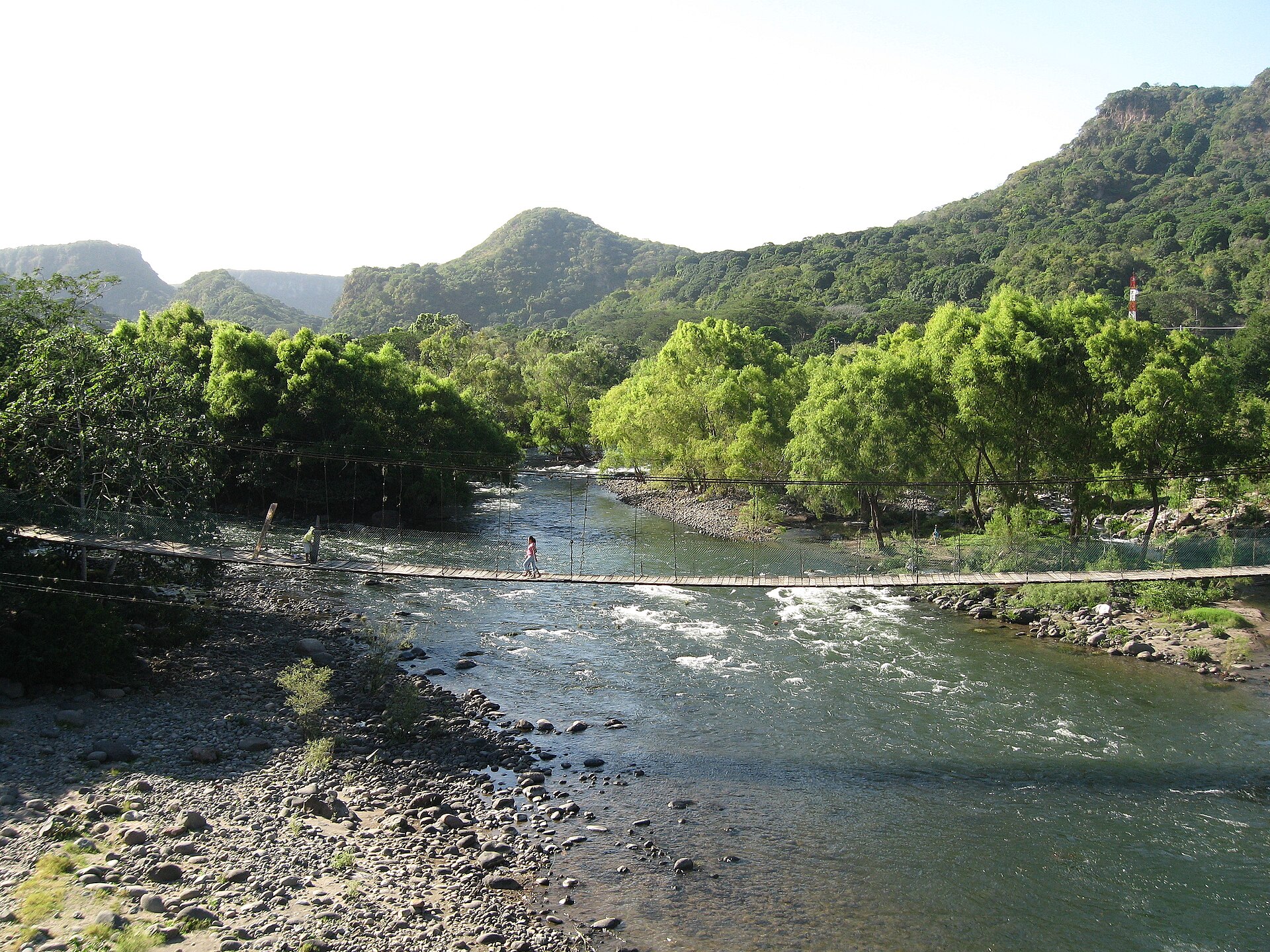
A suspension footbridge crosses the river at the village and is the best place to look at it before committing. Beyond the rafting there is not much here: a plaza, a church, some good river fish, and heat.

Guide

Activities

Rafting is the reason Jalcomulco exists on a traveller's map. The commercial run on the Río Pescados section of the Antigua is class III with a few harder drops when the river is up, runs year-round, and is sold to complete beginners with a guide in every boat.

Water levels change everything. In the dry months, roughly January to May, the river is lower, friendlier and more technical. In the wet season, June to October, it is faster, pushier and occasionally closed outright after a storm — a responsible operator will cancel, and one that will not is telling you something about itself. Check that the company has a national tourism registry number and that guides carry rescue certification; both are normal here and both are worth asking about.

The same outfitters sell rappelling down the canyon walls, ziplines across the river, canyoning in the side streams, mountain biking, and temazcal steam ceremonies. Camps along the bank do the whole thing as a weekend package with meals.

The Barranca Grande and the Pescados canyon upstream are the harder water, for people who already paddle. Downstream, the Antigua runs out through coffee country to the Gulf at La Antigua, where Cortés's men built the first Spanish settlement on the mainland.