Nicaragua is the largest country in Central America and one of the least visited, squeezed between Honduras and Costa Rica and quietly holding more than either gets credit for: two colonial cities, an island made of two volcanoes, a chain of cones you can climb, slide down or look into, Pacific surf, Caribbean reef, and coffee mountains in the north. It is also markedly cheaper than its neighbours, which is a large part of the appeal.
The reputation for volatility is mostly history — the revolution and the Contra war belong to the 1980s — but not entirely. The government has grown more authoritarian since the crackdown on the 2018 protests, and several countries maintain elevated travel advisories. In practice tourist areas are calm and people are welcoming; what you should not do is involve yourself in anything political, which the state takes very seriously indeed.
The colonial cities and the volcanoes
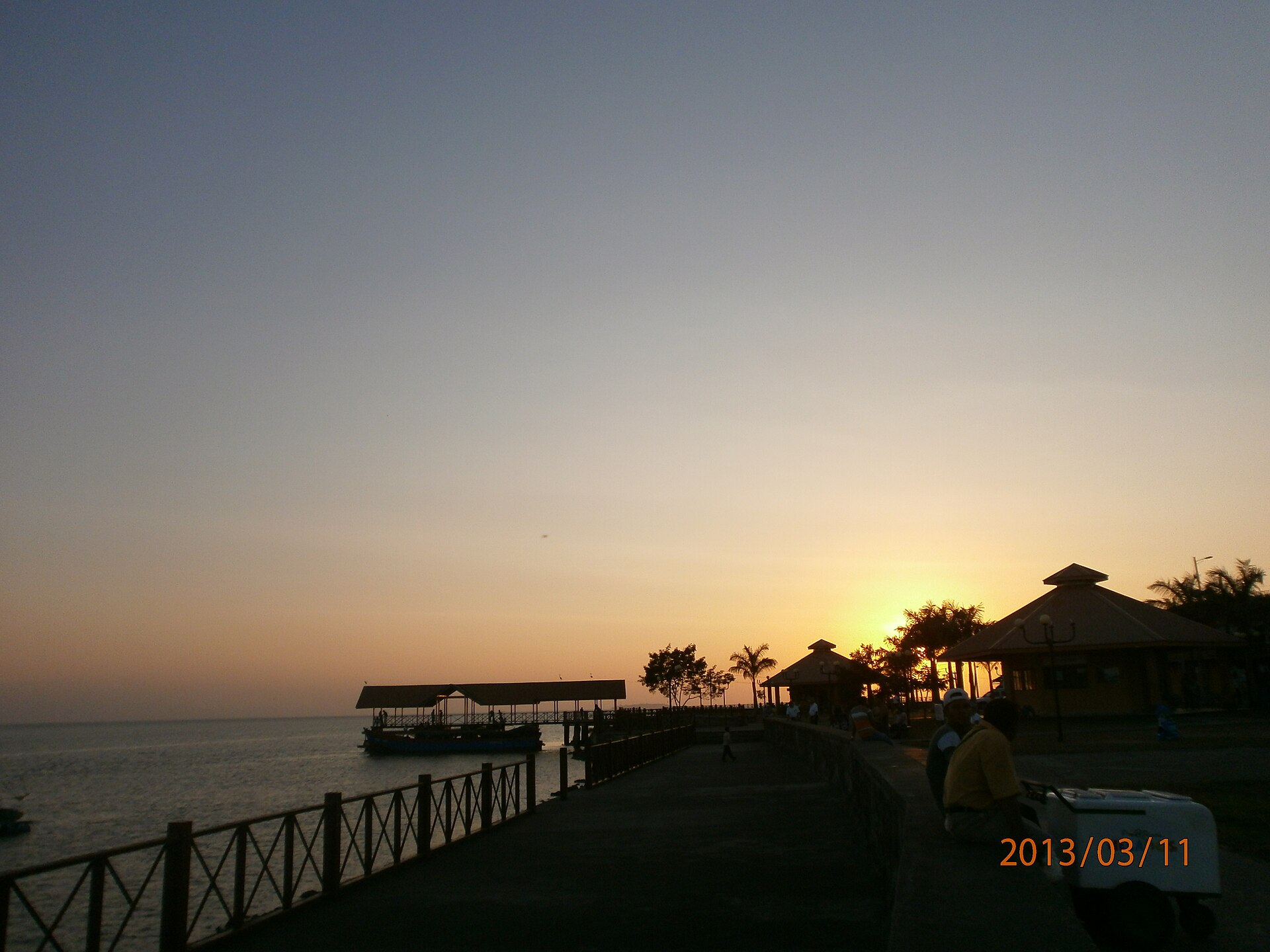
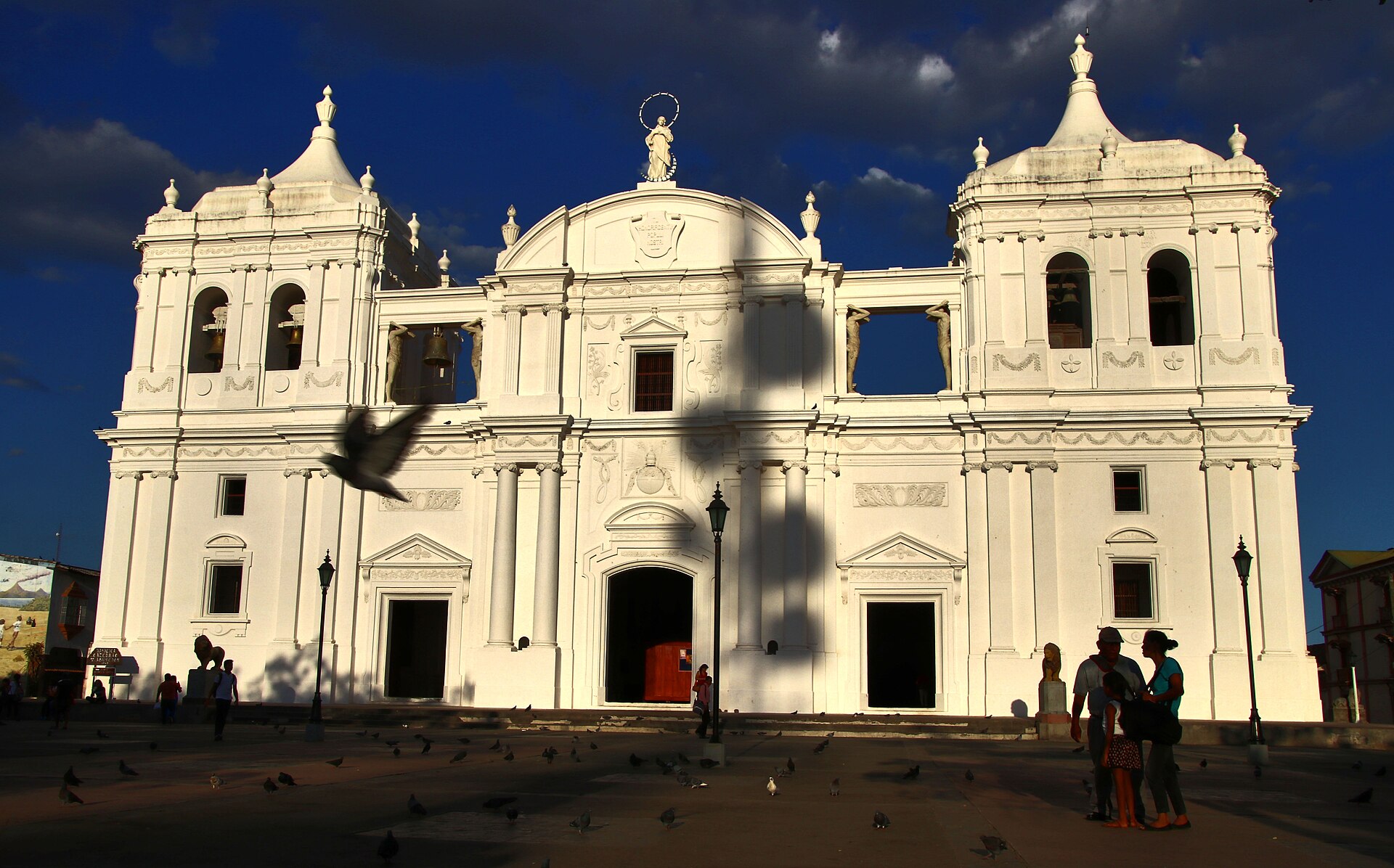
Granada on Lake Nicaragua is the handsome one: painted colonnades, a hotel scene, boat trips out to the isletas and the cloud forest on Mombacho above. León is the grittier and more interesting of the two — a university city with revolutionary murals, the largest cathedral in Central America and a roof you can walk on, and the volcanoes of the Maribios chain at its back, including Cerro Negro, where people slide down a live cinder cone on plywood boards. Las Peñitas is its beach.
Between the two, Masaya has the craft market and a volcano you drive to the rim of to look into a live lava lake, and Laguna de Apoyo is a crater lake with clear warm water and the best swim in the country. León Viejo, buried by Momotombo in 1610 and dug out again in 1967, is the oldest Spanish settlement remains in the Americas.
The lake and the south
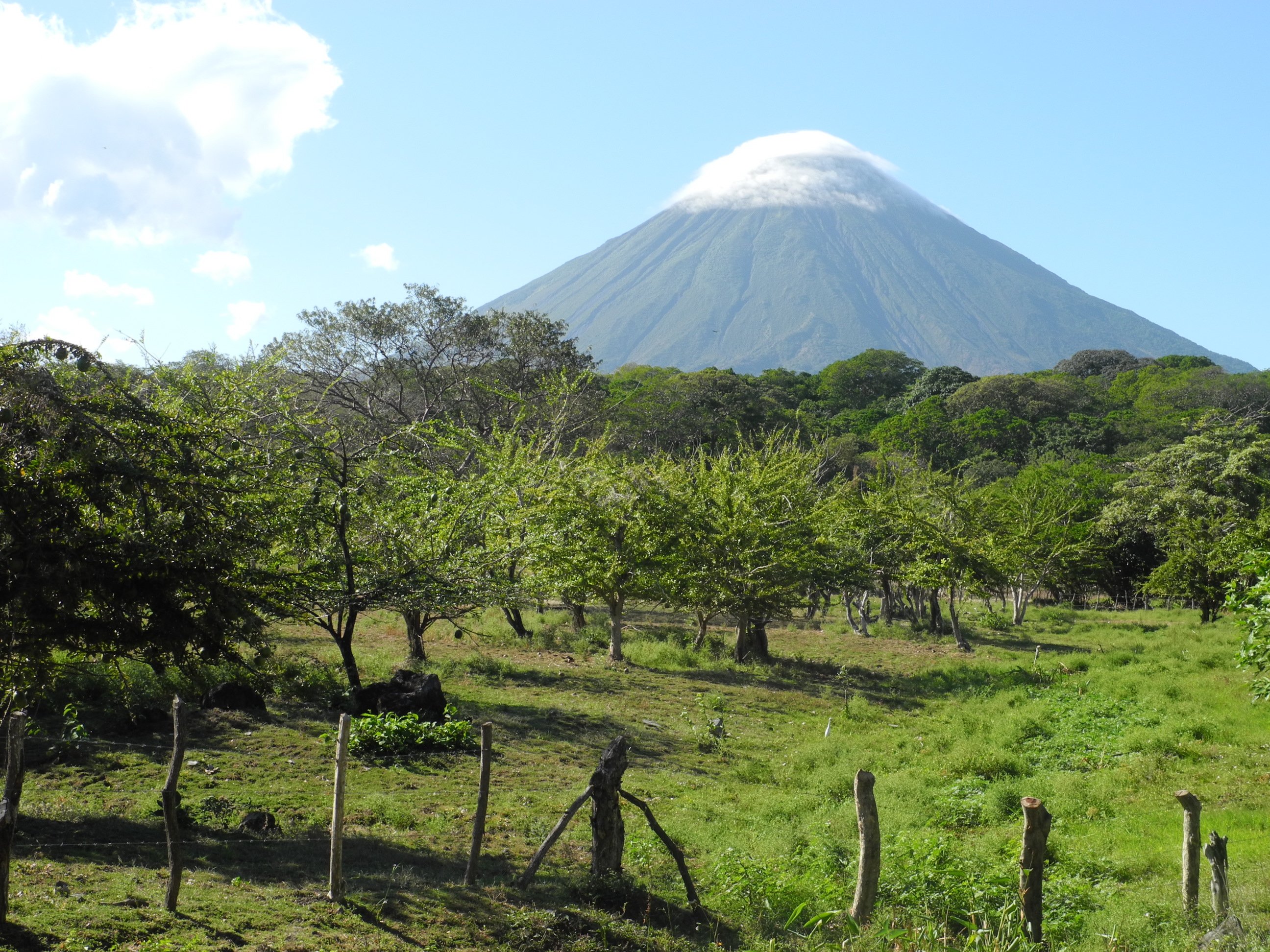
Isla Ometepe is the image of Nicaragua: two volcanoes rising straight out of Lake Nicaragua, joined by an isthmus, with petroglyphs on the slopes and a freshwater spring to swim in. The lake itself is large enough to have its own bull sharks and its own weather.
On the Pacific, San Juan del Sur is the surf and party town, with quieter breaks north and south — Popoyo is the serious one. Rivas is the junction everyone passes through to reach either.
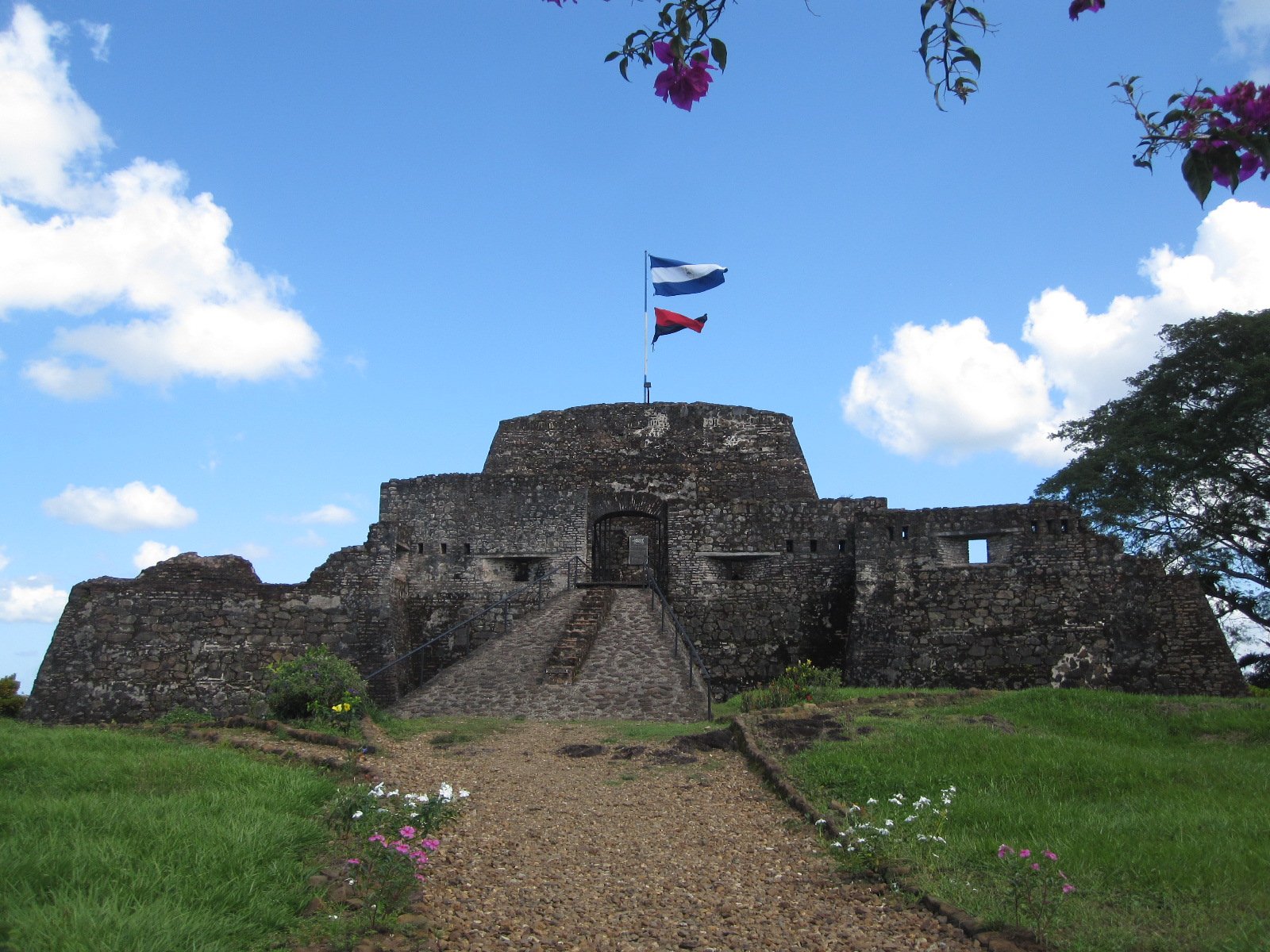
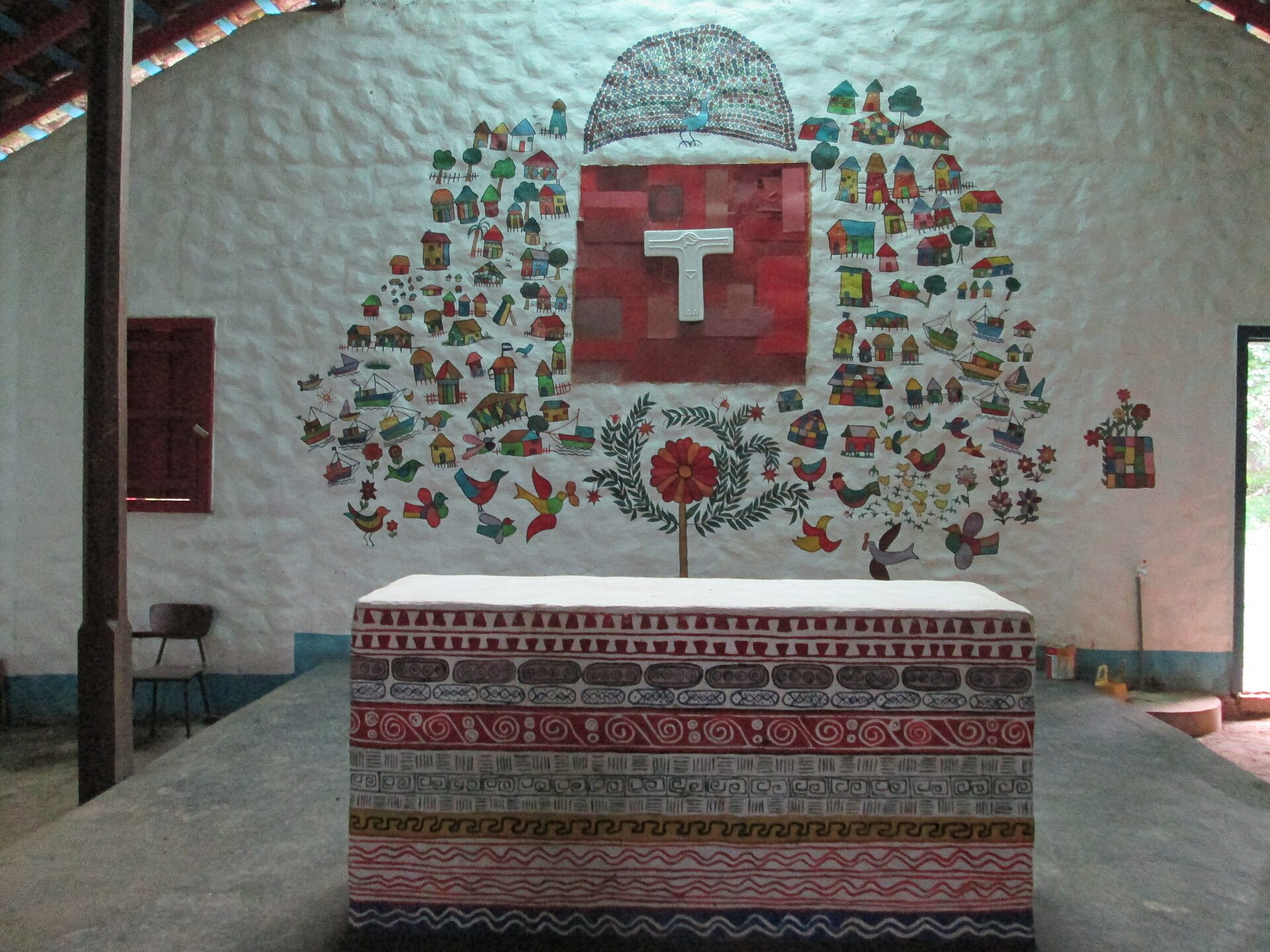
Southeast, the Río San Juan runs from the lake to the Caribbean: San Carlos at its head, the Solentiname islands where a priest taught a village to paint, and downriver the Spanish fortress at El Castillo, built to stop the pirates who kept coming up the river to sack Granada.
The north
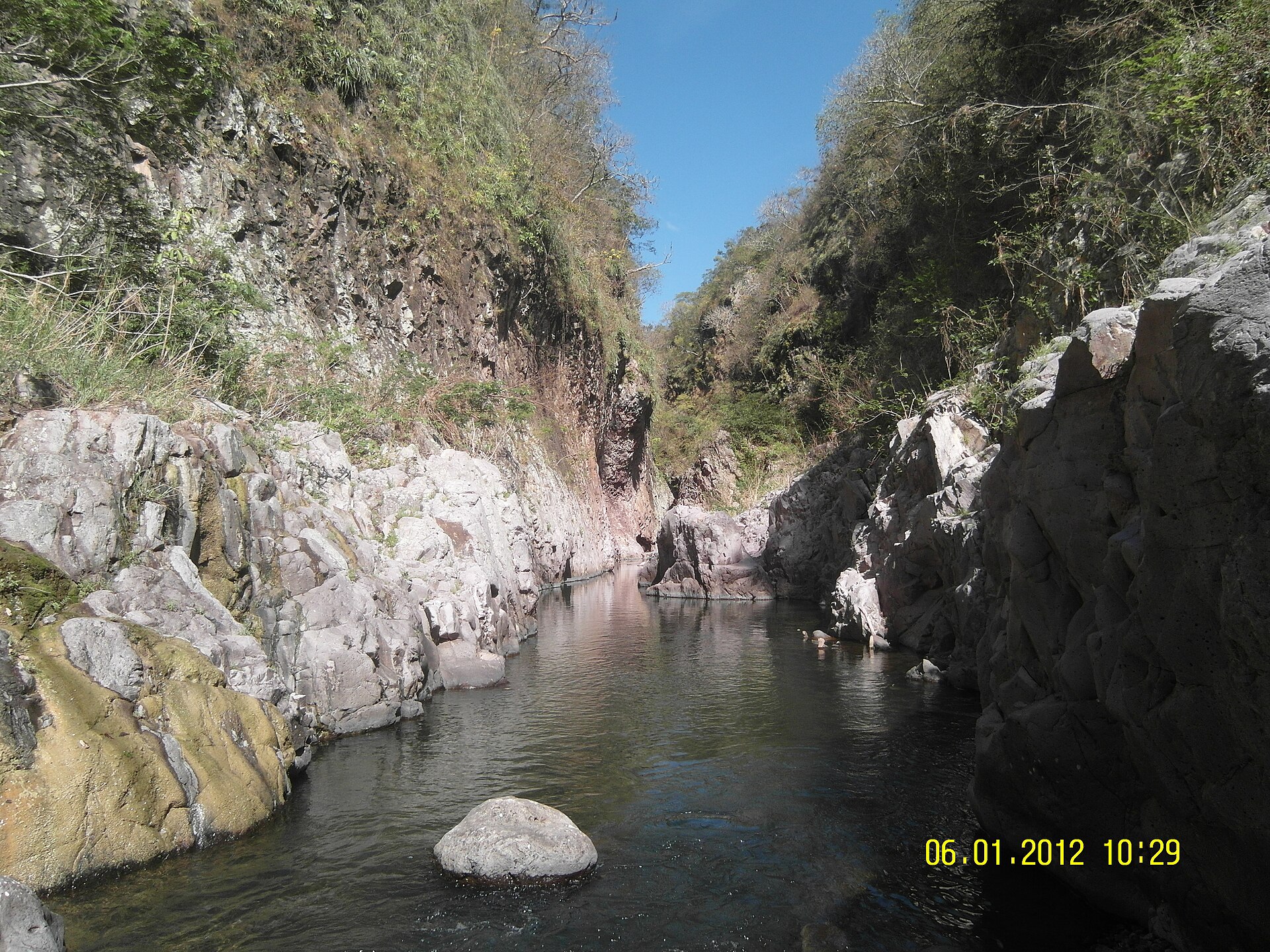
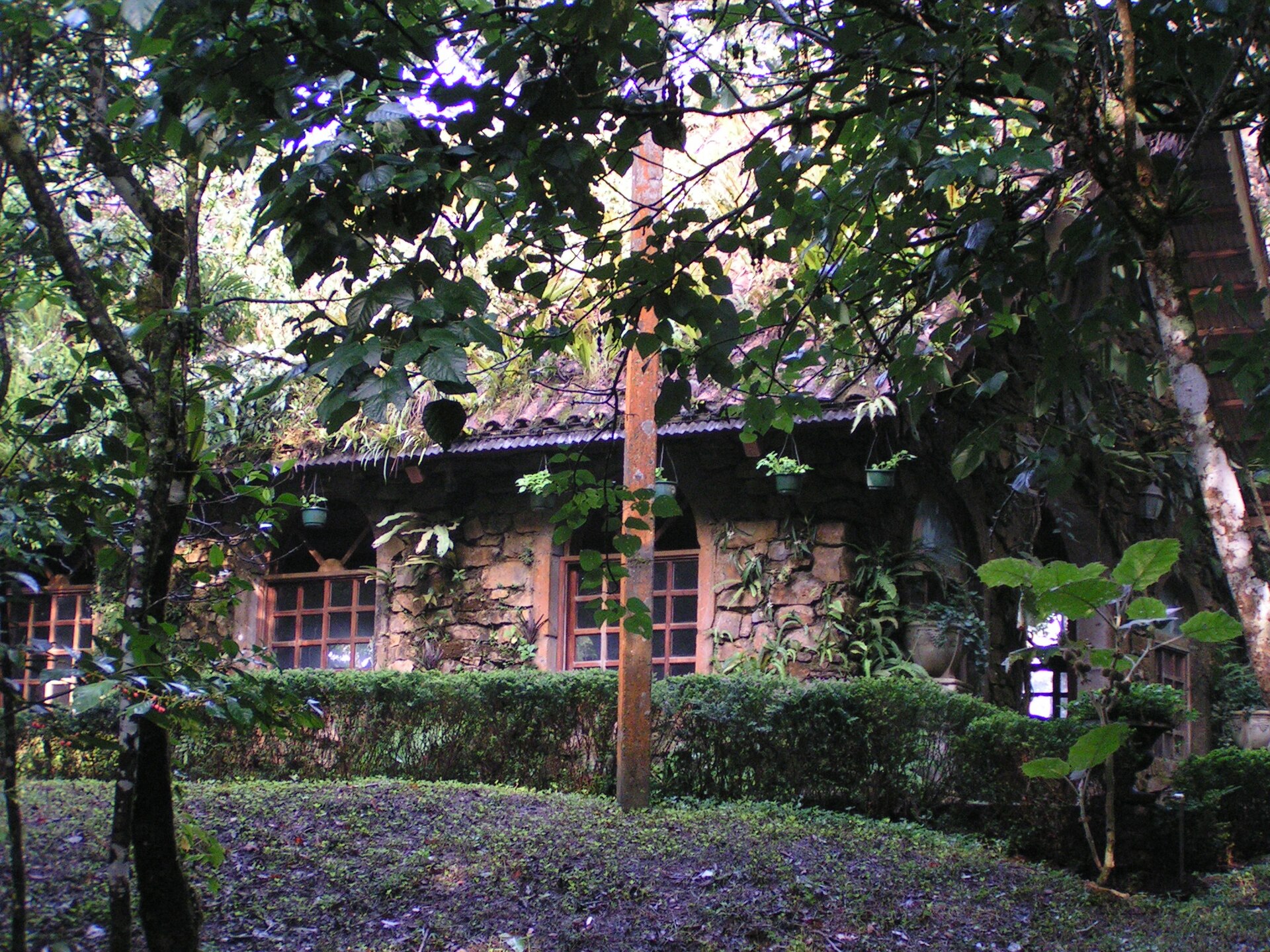
The mountains above Matagalpa and Jinotega grow most of the country's coffee, and Selva Negra is where you can walk in cloud forest and tour a plantation in the same afternoon. Estelí is cigars and murals, with the Miraflor reserve on its doorstep. Further north, Somoto has a canyon that nobody had properly documented until 2004 and that you now swim and float your way through.
The Caribbean
The east coast is a different country — Creole and Miskito, English-speaking in places, reached by plane or by a long river boat. Bluefields is the hub and not especially lovable; Pearl Lagoon north of it is easier and friendlier. The Corn Islands are the reward: white sand, clear water, reef diving, and Little Corn with no cars at all.
When to go
The dry season runs roughly December to April and is the reliable time on the Pacific side. May to November is greener, cheaper and wetter, usually as an afternoon downpour rather than a lost day — though September and October can be genuinely heavy. The Caribbean side is wet most of the year and at its best in February, March and September.