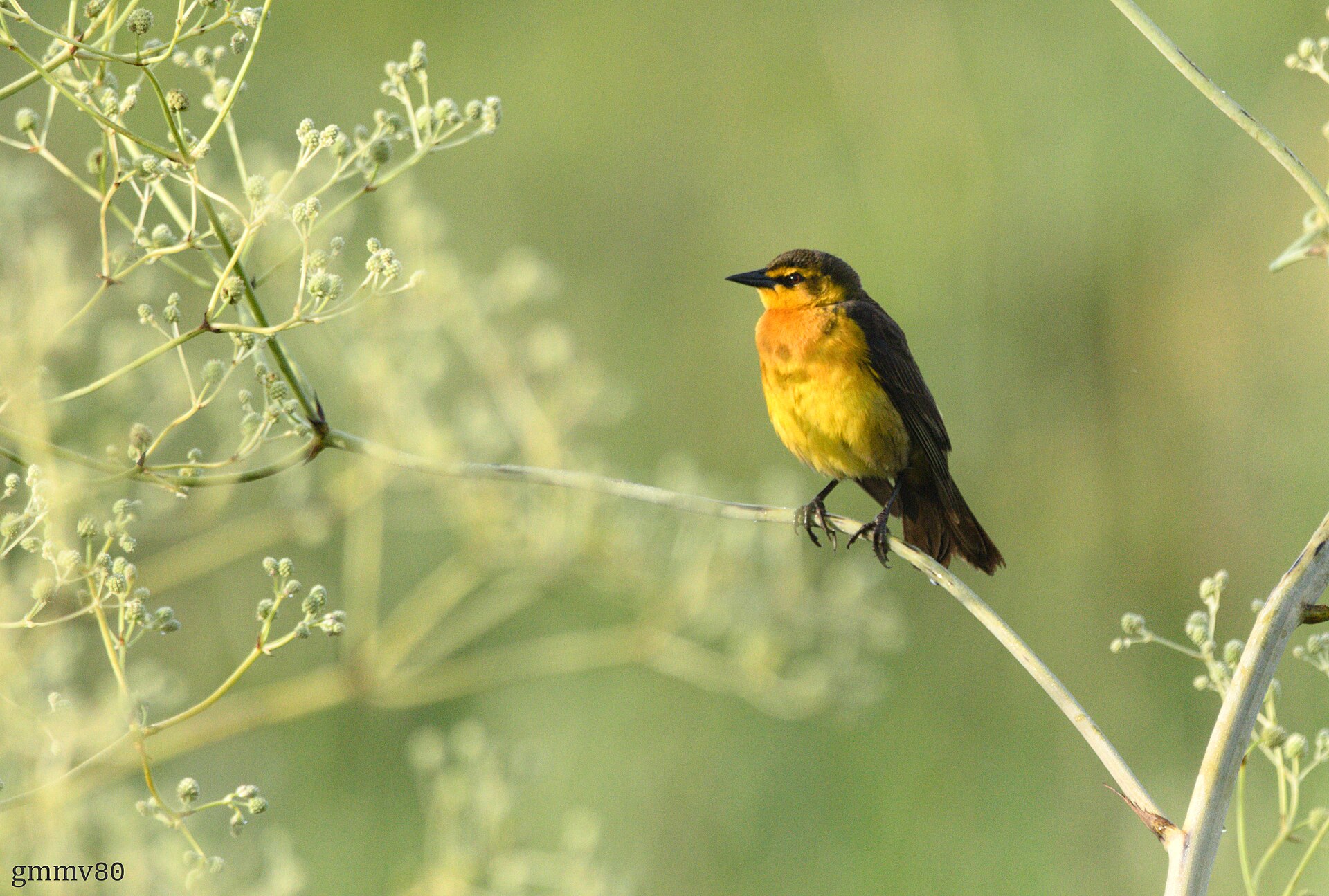
San Rafael straddles Itapúa and Caazapá and protects the largest surviving block of Bosque Atlántico del Alto Paraná in Paraguay — the forest that once ran unbroken from here to the Brazilian coast and has lost roughly 90% of its Paraguayan extent since the 1940s. It was declared a reserve for a future national park in 1992.
For birders it is the single most important site in the country: over 400 species recorded, including a long list of Atlantic-forest endemics — helmeted woodpecker, black-fronted piping-guan, saffron-cowled blackbird, vinaceous amazon — that are hard to find anywhere else in the southern cone. The grasslands at Kanguery hold species the forest does not.
Be honest about the state of it. Most of the "reserve" is still privately owned; the declaration never came with the money to buy the land, and soy and cattle have kept eating into it. NGOs (Guyra Paraguay, Pro Cosara) own and guard fragments and run the visitor infrastructure that exists. Mbya Guaraní communities live inside the area and their land claims are unresolved. You will drive past cleared blocks on the way in.
Access is by dirt road from Alto Verá or from the Ruta 6 side, needs a high-clearance vehicle after rain, and realistically needs arranging in advance with one of the reserve stations, which also provide the only beds. It is about 350 km from Asunción and a long half-day from Encarnación.