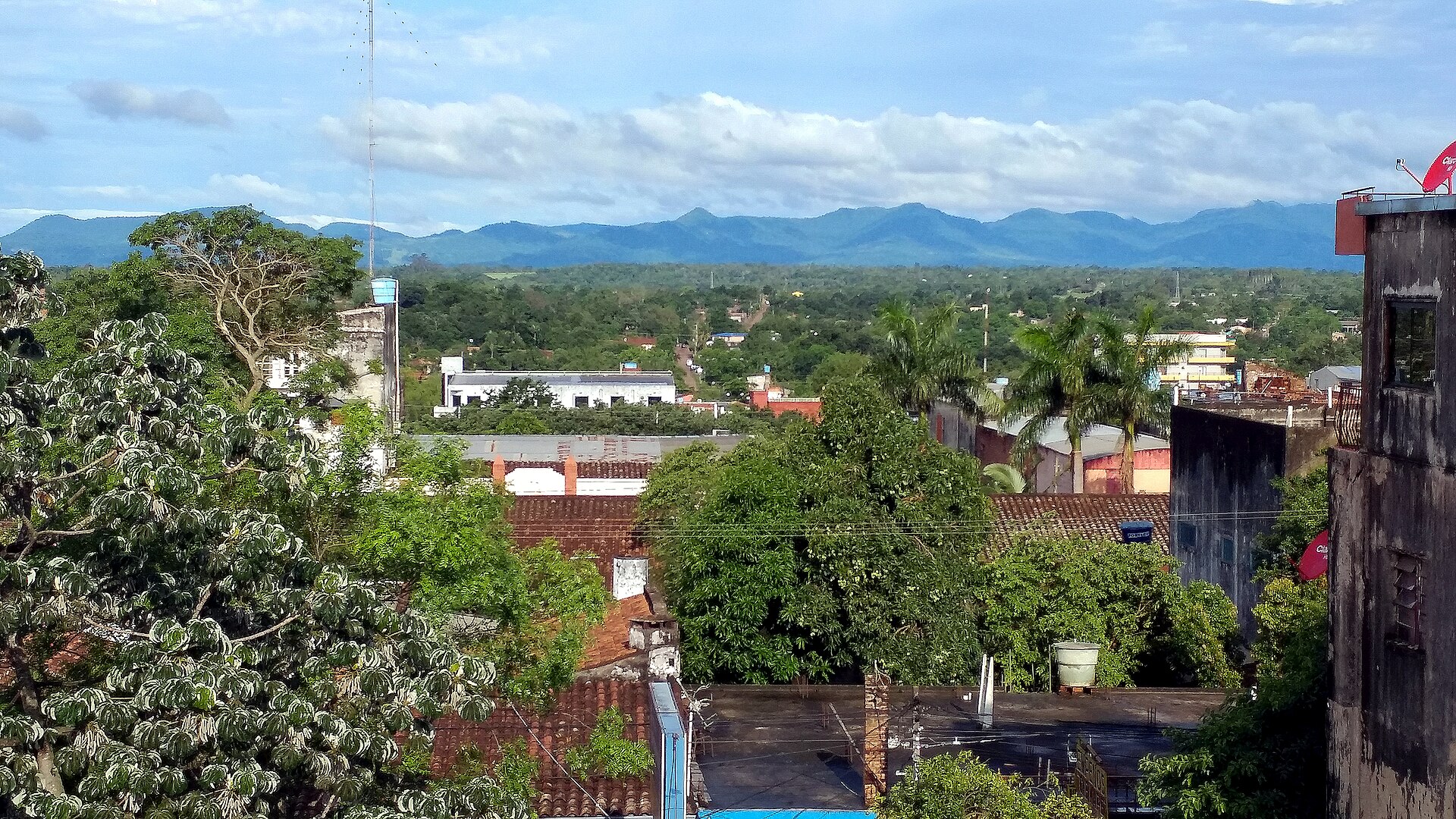
Villarrica del Espíritu Santo is the pleasantest medium-sized city in Paraguay, and the one most worth a night if you are not just shuttling between Asunción and Encarnación. It is 172 km east of the capital, at the foot of the Ybytyruzú hills, and it is green in a way the rest of the country mostly isn't.
Its history is absurd and it is proud of it. Founded in 1570, the city was burnt out, harried by Portuguese slave-raiders and moved wholesale seven times over 113 years before it settled here in 1683. Paraguayans call it "la ciudad andariega," the wandering city. After the Triple Alliance war it became the country's second city and filled up with German and Italian immigrants; the university, the bishopric and a strong literary reputation date from then.
The Cathedral of Santa Clara on the main square was finished in 1891. The Parque Manuel Ortiz Guerrero, named for the Guaireño poet who wrote the words to half the Paraguayan songs you will hear, wraps around the Ycuá Pytá spring. The old railway station is one of the better relics of the Carlos Antonio López line, the first railway in South America, now derelict everywhere. Sugar cane country starts at the edge of town and the local caña is taken seriously.
Villarrica is also the base for the Ybytyruzú: Salto Suizo, the country's highest waterfall, and Cerro Tres Kandú, its highest point, are both within an hour. Buses from Asunción run all day and take about three hours.