Taining is a county town in Sanming prefecture in the interior of Fujian, surrounded by one of China's most dramatic Danxia landscapes: kilometres of deep-red sandstone cliffs, gorges, and cave systems carved over millions of years and now protected as a UNESCO Global Geopark. It is a long journey from the coast — around three hours from Fuzhou — but the scenery justifies the effort, and the area remains much less crowded than comparable red-rock sites in Guangdong or Zhangjiajie.
The heart of the geopark is Jinhu Lake, an artificial reservoir whose shores are flanked by vertical red cliffs, caves, and narrow water lanes that can be explored by boat. The scenery is best at dawn and in low light, when the reflections on the dark water turn the canyon walls a deeper, more saturated red. Above the lake, the Ganlu Cliff Temple of 1146 CE is built into a natural rock overhang without iron nails, its wooden structure wedged against the cliff face in a way that looks structurally impossible. The Zhaixia Grand Canyon offers a more active option, with a hiking trail through a telescoping canyon of increasingly narrow walls.
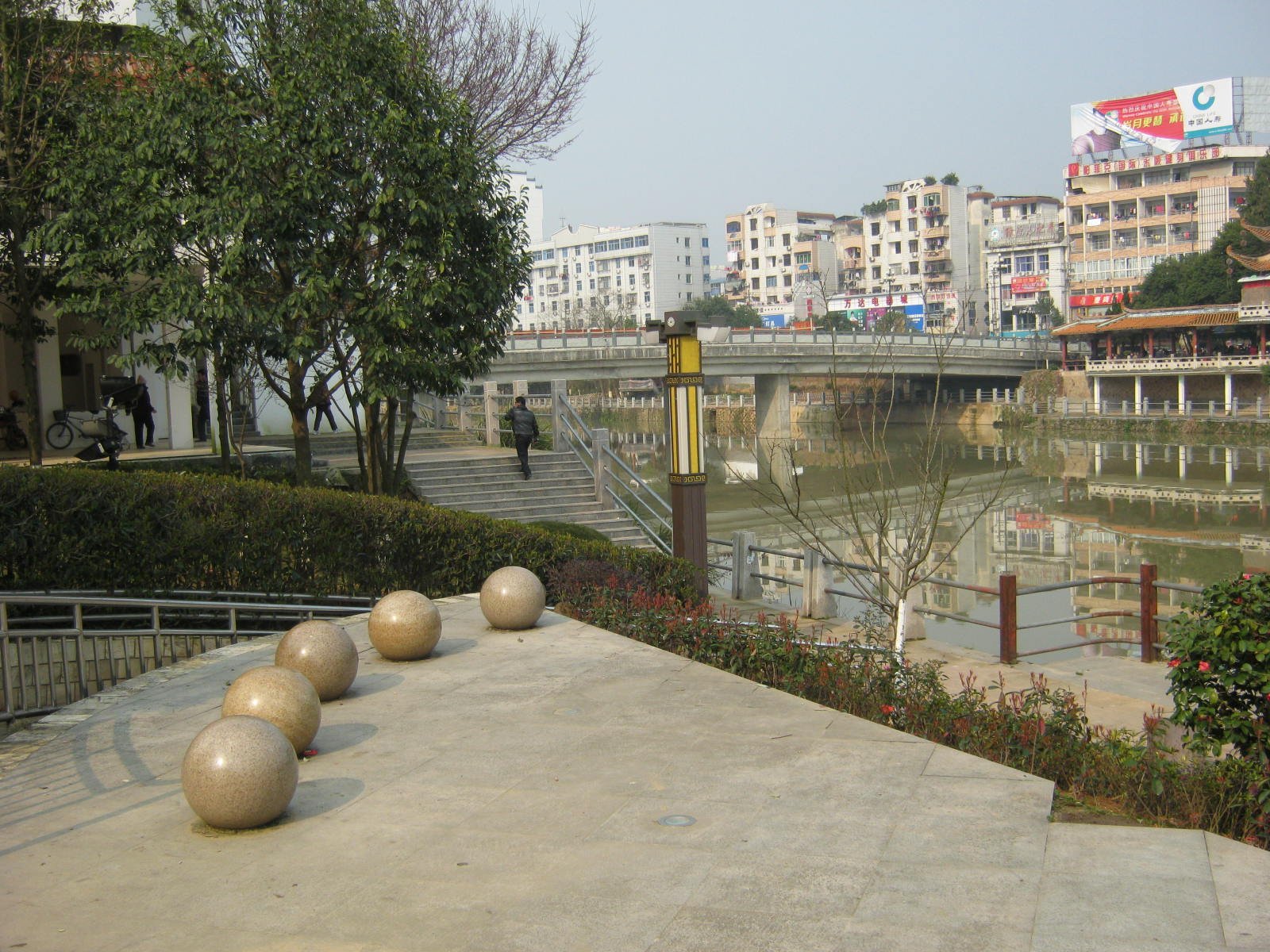
Taining town itself has genuine character for a small Chinese county seat. The Shangshudi Mansion, a Ming Dynasty residential complex of over 120 rooms, is the largest preserved example of its type in Fujian and gives a sense of how prosperous gentry families lived here in the 16th and 17th centuries. Local performances of Meilin Opera, a regional form distinct from better-known Chinese opera traditions, occasionally take place in the town. The county is also known for its jasper rolls, a local sweet confection, and for river fish dishes that make good use of the lake's produce.