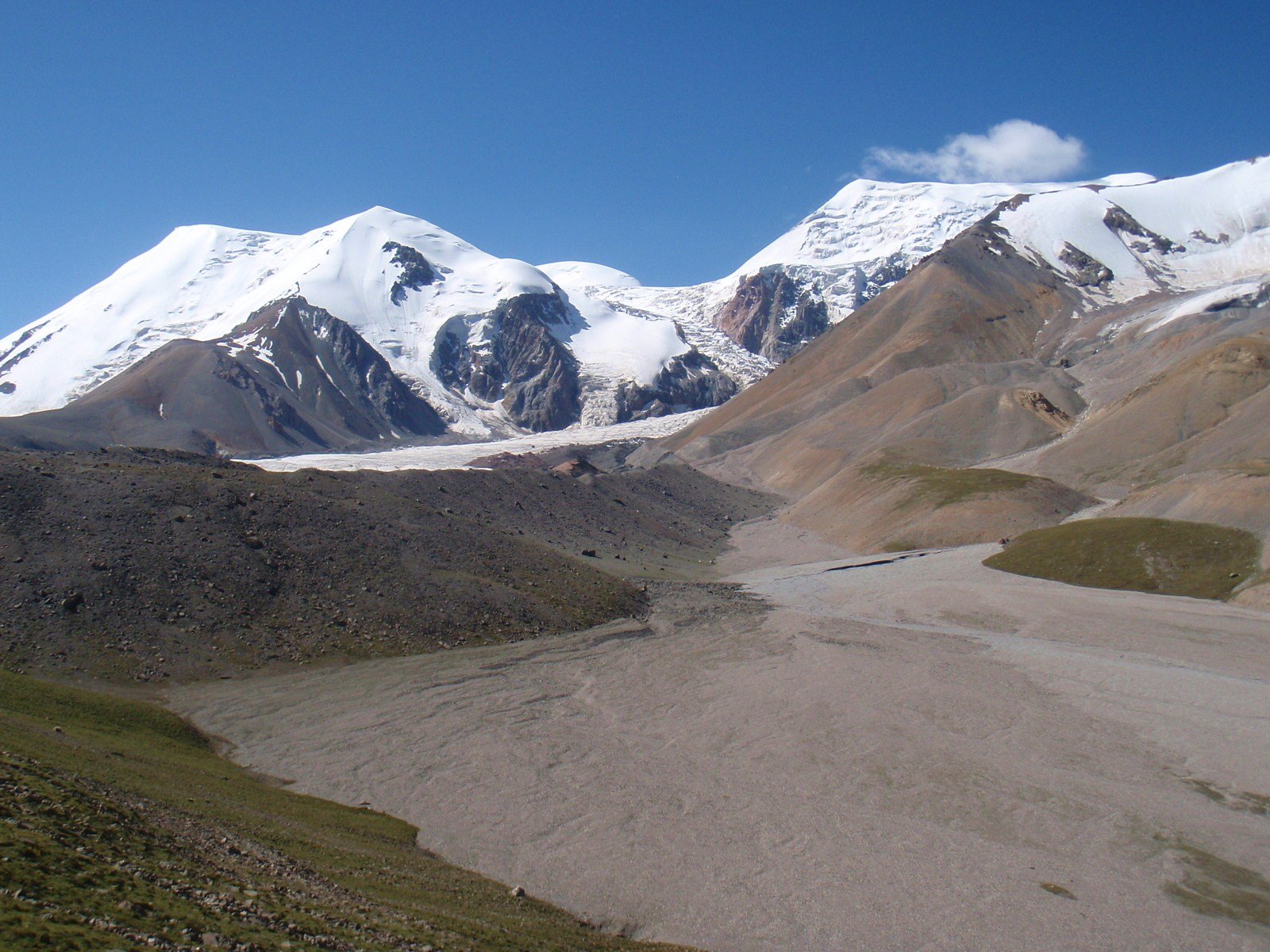
Amnye Machen is the holiest mountain in Amdo — the northeastern region of historical Tibet — and one of the most sacred peaks in the entire Tibetan Buddhist world. It rises to 6,282 metres in southeastern Qinghai's Golog Prefecture, a massif of glaciers, steep ridges, and permanent snowfields that dominates a landscape of high grassland and nomad camps. For Tibetan Buddhists, the mountain is the home of the war god Machen Pomra, one of the most powerful protective deities, and the pilgrimage circuit around its base is considered deeply meritorious.
The Amnye Machen Kora is a trek of about 80 to 100 kilometres taking four to six days, depending on pace and route variation. The circuit crosses several high passes above 4,500 metres and traverses some of the least-visited high-altitude terrain in China. Trekking infrastructure is minimal: there are no lodges in the Western sense, but nomad camps along the route occasionally offer shelter and butter tea. A tent, proper cold-weather gear, and high-altitude experience are non-negotiable. The best season is June through September, when the passes are reliably snow-free. The Amnye Machen Glacier on the northeastern flank is worth a side trip for those with the energy.
The nearest town of substance is Maqin, about 20 kilometres from the mountain, with basic accommodation and onward bus connections to Xining. Getting to this part of Qinghai is a commitment — buses from Xining take many hours on high-altitude roads, and the distances are substantial. Hiring a vehicle from Xining or Yushu gives more flexibility and allows stops at the lakes and grasslands en route.
Amnye Machen is not a destination for casual visitors. The altitude, the remoteness, and the logistical demands make it genuinely challenging. But for serious trekkers willing to invest the preparation, it offers some of the most remote and spiritually charged mountain walking on the planet.