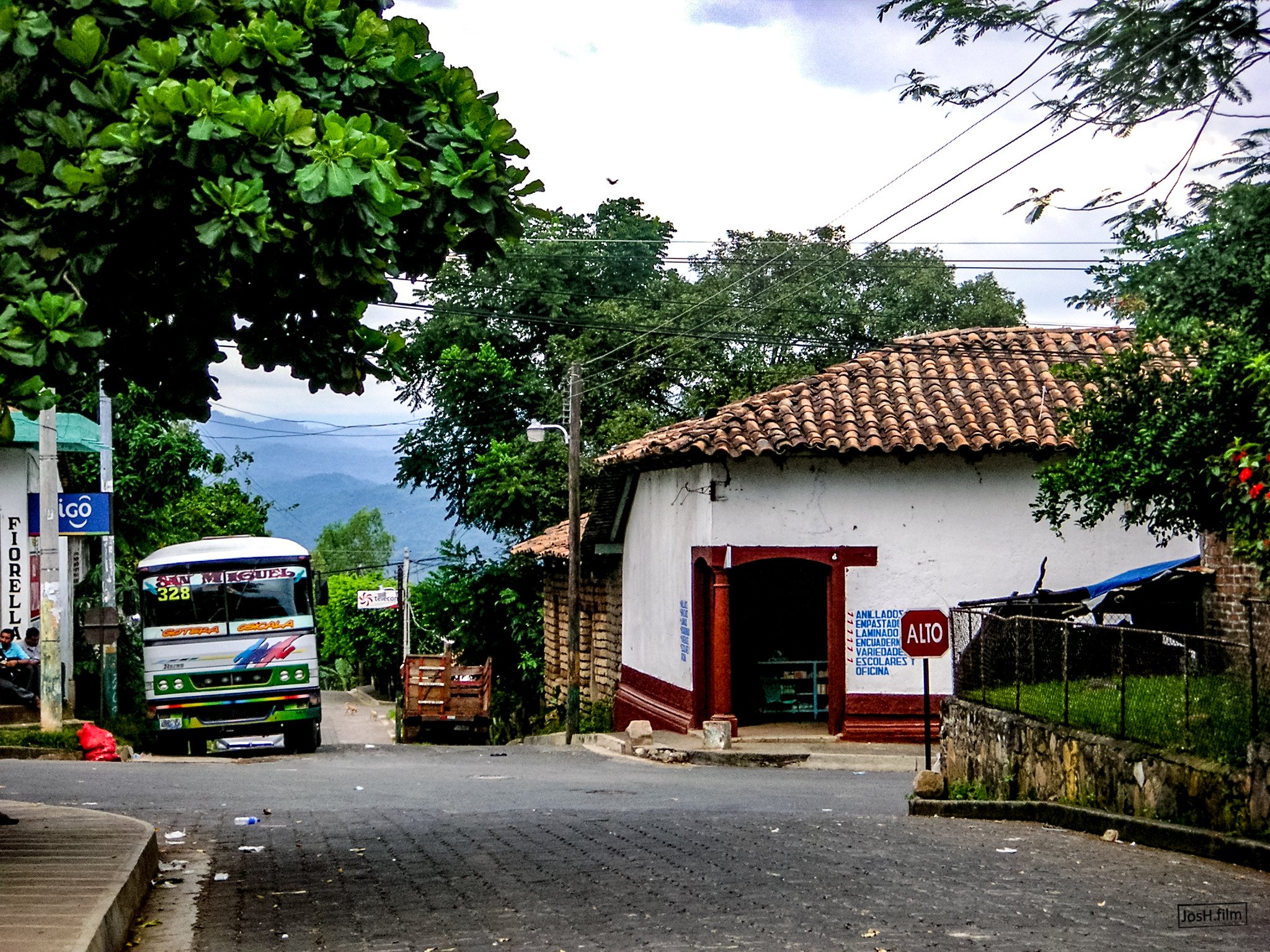
For most of the civil war Perquín, high in the Morazán hills near the Honduran border, was held by the FMLN — the guerrillas' de facto capital, with their clandestine transmitter Radio Venceremos broadcasting from the ridges around it. The Museo de la Revolución Salvadoreña, run by former combatants, is the reason to come: the transmitter itself, a wall of photographs, weapons, the wreckage of a helicopter shot down with the colonel who commanded the army's operations in the region aboard, and the craters left by the bombing.
Twelve kilometres south is El Mozote, where in December 1981 the Atlacatl Battalion killed around a thousand villagers, most of them children, in the worst massacre of the war. A memorial garden and a wall of names stand in the village, and guides from the community — some of them relatives — take visitors through what happened. It is not a light morning, and it is the single most important thing to see in the country.
The town itself is cool, pine-covered and a long way from anywhere: five hours from San Salvador, with the last stretch winding. People come for a night, walk in the hills, and go on to Honduras or back the way they came.