El Salvador is the smallest country in Central America and the only one without a Caribbean coast, which for decades meant travellers skipped it entirely. What it has instead is a wall of volcanoes down the middle, a coffee highland strung with painted towns, and a Pacific shore with the most consistent right-hand point breaks on the isthmus. Nothing is far from anything: you can surf in the morning, stand on a crater rim in the afternoon, and be back for pupusas by dark.
The war is the other thing people know. Between 1980 and 1992 some 75,000 people died in a conflict between the army and the FMLN guerrillas, and the country has spent the thirty years since living with it — in the villages that were emptied, in the museums at Perquín, and in the emigration that made remittances a fifth of the economy. It is not hidden. Salvadorans talk about it readily, and the places that mark it are among the most worthwhile things to visit.
Safety has changed more here than anywhere in the region. El Salvador had one of the highest homicide rates in the world a decade ago; since the 2022 state of exception it has one of the lowest in the Americas, and tourism has climbed sharply on the back of it. The cost is not invisible — tens of thousands were jailed under suspended due-process rights — and it is worth understanding what you are walking into rather than treating the turnaround as simply good news. For a visitor, the practical picture is straightforward: the coast, the highlands and the colonial towns are easy going, and ordinary urban caution is what the cities ask for.
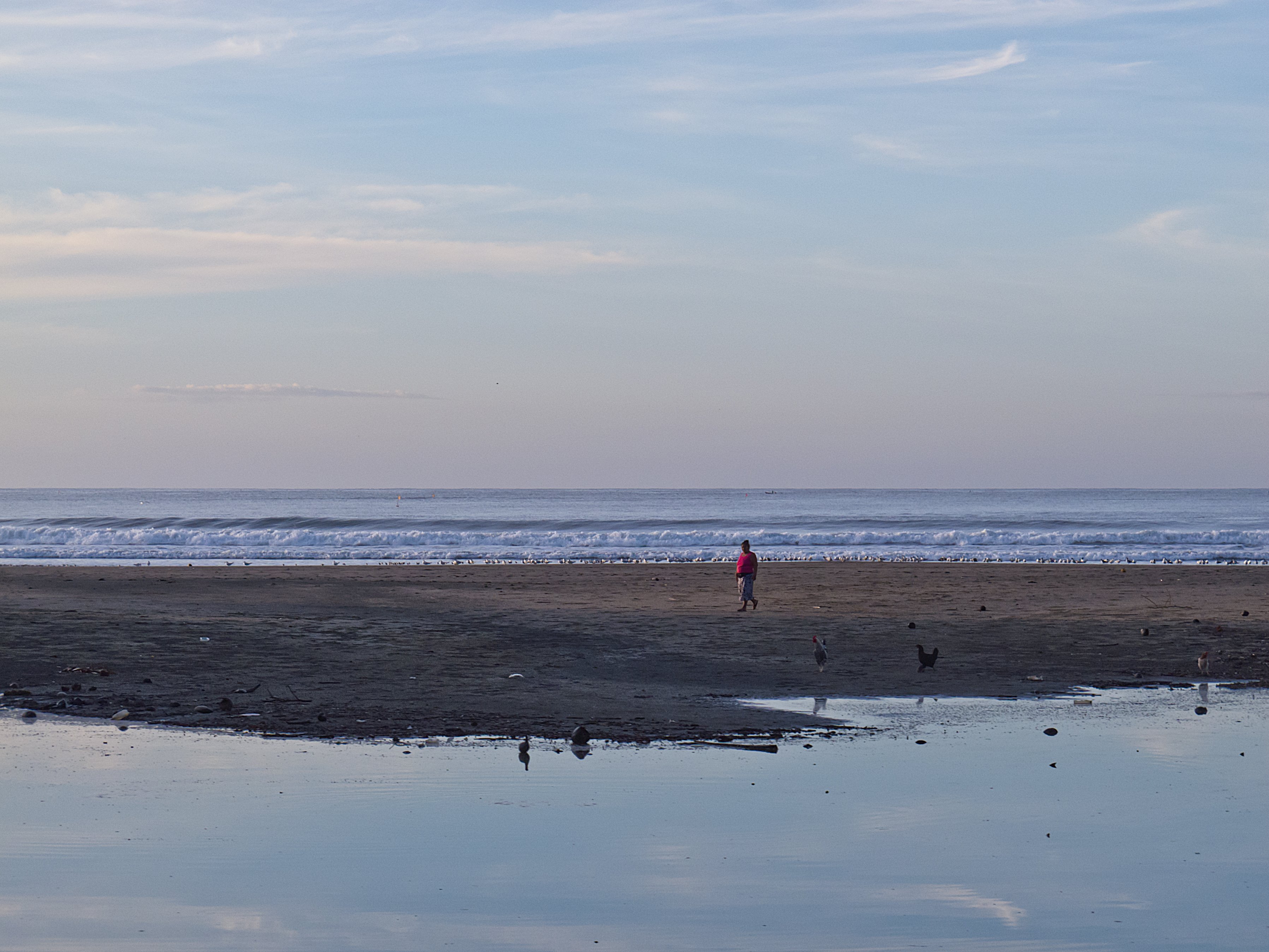
The coast is the main draw. La Libertad sits at the centre of it, with Punta Roca breaking off the point — a long, fast right that ranks with anything in the Pacific — and the surf towns of El Tunco and El Zonte a few minutes west. El Tunco is where most travellers base themselves: small, loud at weekends, and geared entirely to board hire and lessons. Further east the shore empties out towards El Cuco and Playa El Espino, and the Costa del Sol strip has the calm water and black sand for those who don't surf.
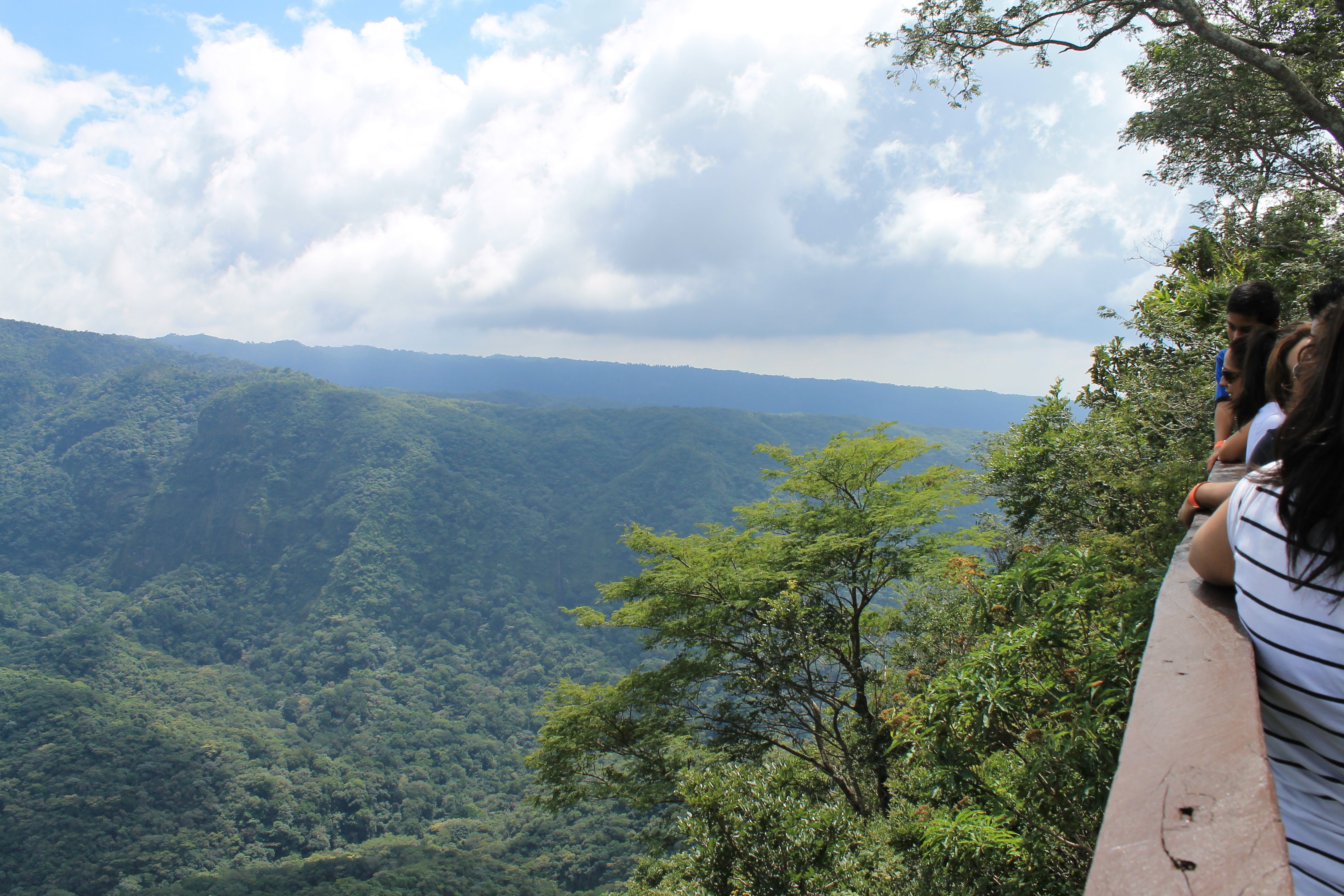
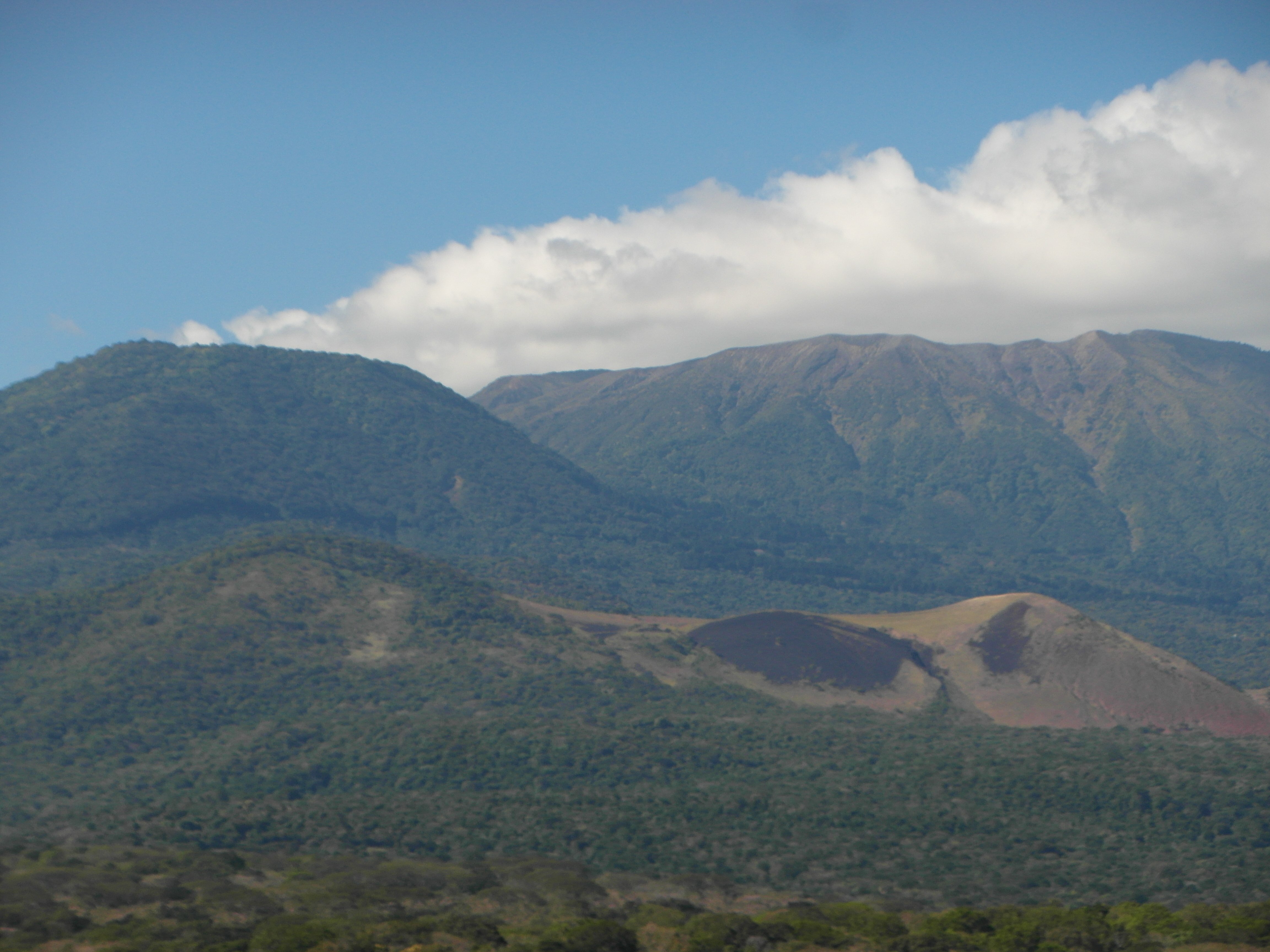
The volcanoes run in a chain behind it. Santa Ana is the one to climb: two hours up to a crater holding a lake the colour of antifreeze, with Izalco — a bare black cone that erupted almost continuously for two centuries — standing alongside. Both are reached through Cerro Verde National Park, and Lake Coatepeque fills a collapsed caldera below them.
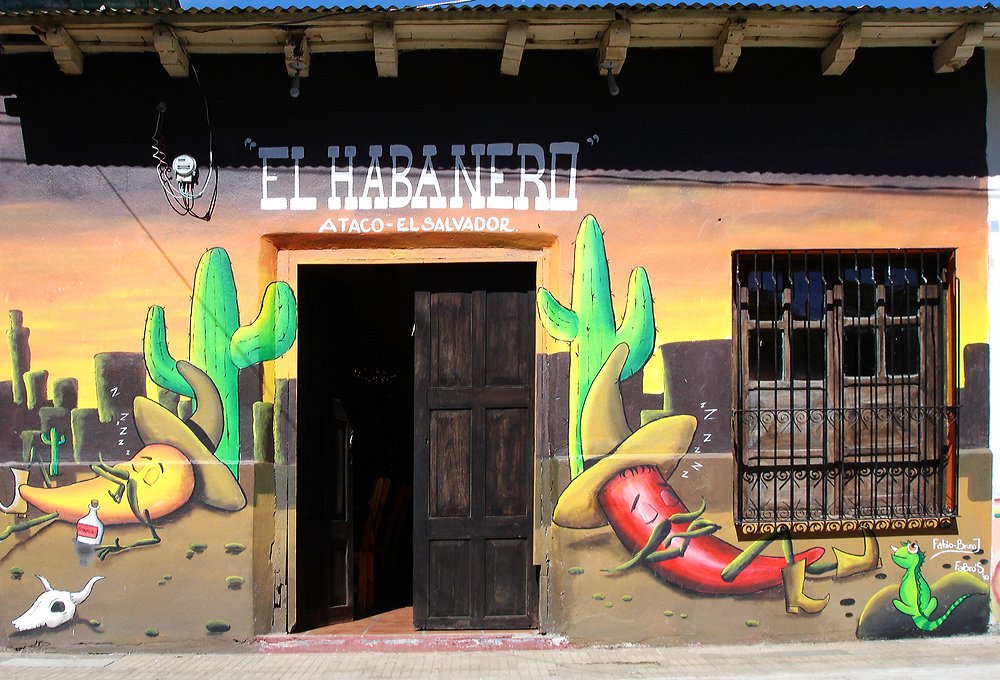
The coffee highlands in the west are where the country is prettiest. The Ruta de las Flores links a string of small towns along a ridge — Juayúa, whose weekend food fair is the best eating in the country, Concepción de Ataco with its murals, Apaneca and Alegría higher up by its own crater lagoon. Montecristo at the northern corner is cloud forest shared with Guatemala and Honduras.
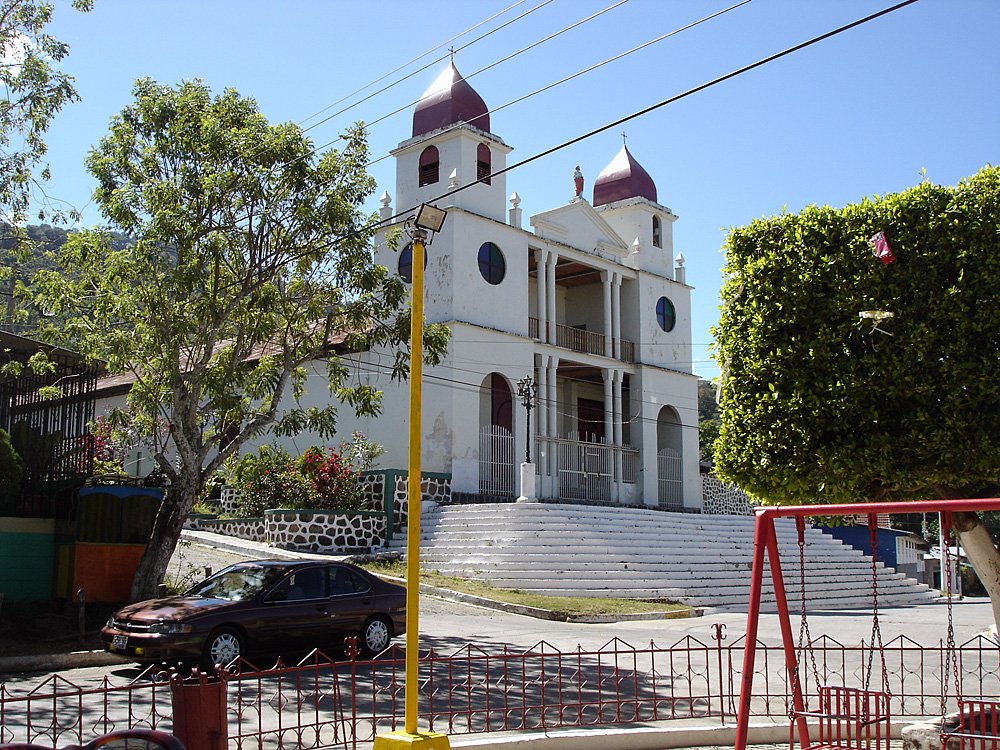
Inland, Suchitoto is the colonial town everyone means when they say El Salvador has one — cobbles, a white church and a lake below it full of birds. Joya de Cerén is the country's UNESCO site and unlike any other Maya ruin: not a temple complex but a farming village buried under ash in about 600 AD, with the maize still in the pots. Tazumal at Chalchuapa is the pyramid site.
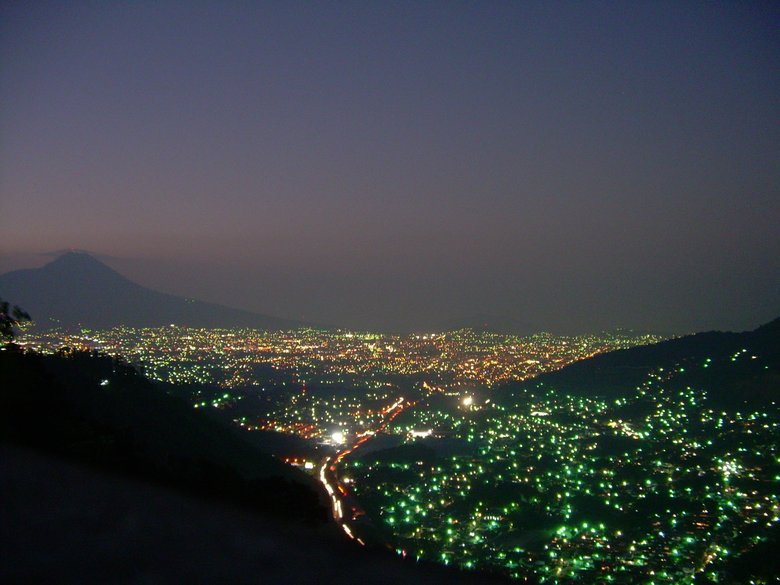
San Salvador itself is a working capital rather than a destination, though the cathedral where Óscar Romero is buried and the university chapel are worth the detour, and it has the best restaurants in the country.
The dollar has been the currency since 2001, so there is no exchange to think about. Distances are short and the buses are frequent, cheap and slow; hiring a car buys more than it does in most of the region, because the country is small enough to make day trips out of almost everything.