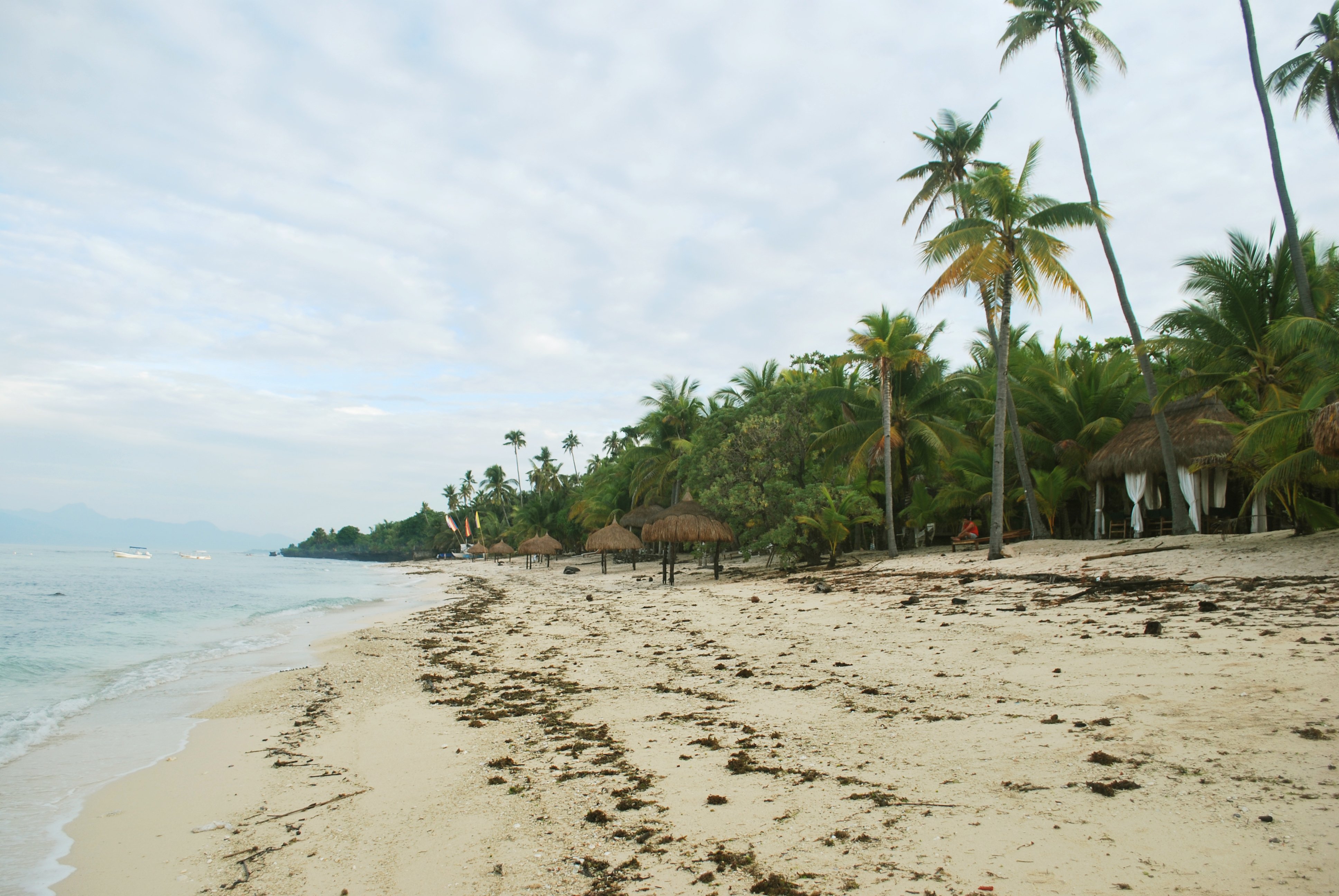
Small Visayan island province with coral reefs, forested hills, and a lingering folk-healing reputation
Siquijor is the third-smallest province in the Philippines, an island of around 340 square kilometres in the Visayas region, encircled by coral reefs and largely carpeted in forest. For centuries it was known to Filipinos as "the island of fire" — early Spanish sailors reportedly saw it glowing with bioluminescent plankton in the sea around it — and its reputation for sorcery, faith healers, and traditional healing rituals persists, giving the island an atmosphere distinct from the beach-resort routine of its neighbours.
In practice, Siquijor is a small, quiet island with good diving and snorkelling, a few fine beaches, and an unhurried pace that many travellers prefer to the more developed islands nearby. The dive sites around the island range from shallow reef gardens to steep walls with good visibility; the most popular spots are around San Juan on the west coast and the reefs off Paliton Beach. The Cantabon Cave, a short bike ride from Loquon, requires a short swim through a river running underground and is one of the more unusual cave experiences in the Visayas.
The island's roads form a rough circuit of about 70 kilometres, easily covered by motorbike in a day. The interior is hilly and forested, with old balete trees draped in Spanish moss and the small waterfall at Cambugahay providing a popular swimming stop. The towns are quiet — the capital Siquijor town, the ferry port of Larena, and the laid-back beach municipality of San Juan — and the general absence of mass tourism makes the whole island feel like the Philippines of 20 years ago.
Siquijor is best reached by ferry from Dumaguete (Negros island) in about 45 minutes, or from Bohol or Cebu. Given how small it is, two to three days is enough to see most of the island; a week passes very pleasantly for those who come to dive or simply decompress.
Places in Siquijor
Guide
Beaches
Siquijor's beaches are largely undeveloped compared to more famous Philippine islands, which for many visitors is their main appeal. The island has no mass-market beach strip, no beach club with thumping music, and no rows of identical souvenir stalls. What it has is a ring of quiet coves and beaches that you can largely have to yourself outside of Philippine holidays.
Paliton Beach on the northwest coast is the best beach on the island: white sand, shaded by ancient acacia trees, calm water, and a small creek entering the sea at one end. It is more beautiful than most beaches in Bohol or Cebu. Nearby Salagdoong Beach on the east coast has the island's only cliff jumping platform — not very high, but popular with young Filipinos — and a more resort-like setup. The beach at San Juan town itself is agreeable and convenient for the dive operators based there. The southern coast has several quiet coves accessible only by motorbike on unmarked roads.
Guide
Getting There
Siquijor is most easily reached by ferry from Dumaguete in Negros Oriental — the crossing takes 45 minutes to an hour by fast boat and ferries depart several times daily. Dumaguete itself is a short flight from Cebu or Manila and has good connections with other Visayan islands.
From Cebu City, direct ferries to Larena (Siquijor) take around 4 hours. Ferries also run from Tagbilaran (Bohol), taking around 2 hours. Most international travellers come via Cebu or Manila and connect to Dumaguete for the ferry.
There is a small airport at Siquijor with an airstrip, but scheduled commercial flights are unreliable and most travellers use the sea routes. Arriving at Larena, tricycles and habal-habal motorcycle taxis are available for transport around the island; guesthouses in San Juan can arrange pick-up if you book ahead.
Guide
When to Go
The best time to visit Siquijor is during the dry season, from November to May. The peak months are December to February, when conditions are coolest and the seas are calmest for diving. March to May brings hotter temperatures but still dry weather. The island is small enough that even during peak Philippine holidays (Christmas, Holy Week, summer) it feels uncrowded compared to Boracay or Bohol.
The rainy season runs from June to October, with the heaviest rains in August and September. The island can still be visited in this period — days are not necessarily rainy all day — but diving visibility is reduced, and some outdoor sites become less accessible.
Holy Week (April, dates vary) is worth timing a visit around if you are interested in the folk healing tradition: the annual mananambal gathering at Lazi draws healers from across the Visayas. It is not a tourist spectacle, but it is open, and witnessing it is a genuine encounter with the island's character.