Dunfanaghy is a small village and former fishing port on the north coast of Donegal, on the western side of Sheephaven Bay and about 30 kilometres north-west of Letterkenny. Only about 300 people live here, but it has more places to eat, drink and sleep than much bigger villages along this coast, because its beaches are sheltered and the scenery around it is outstanding. The centre is a small square with an 1847 market house and a quay built in 1831 to ship out corn.
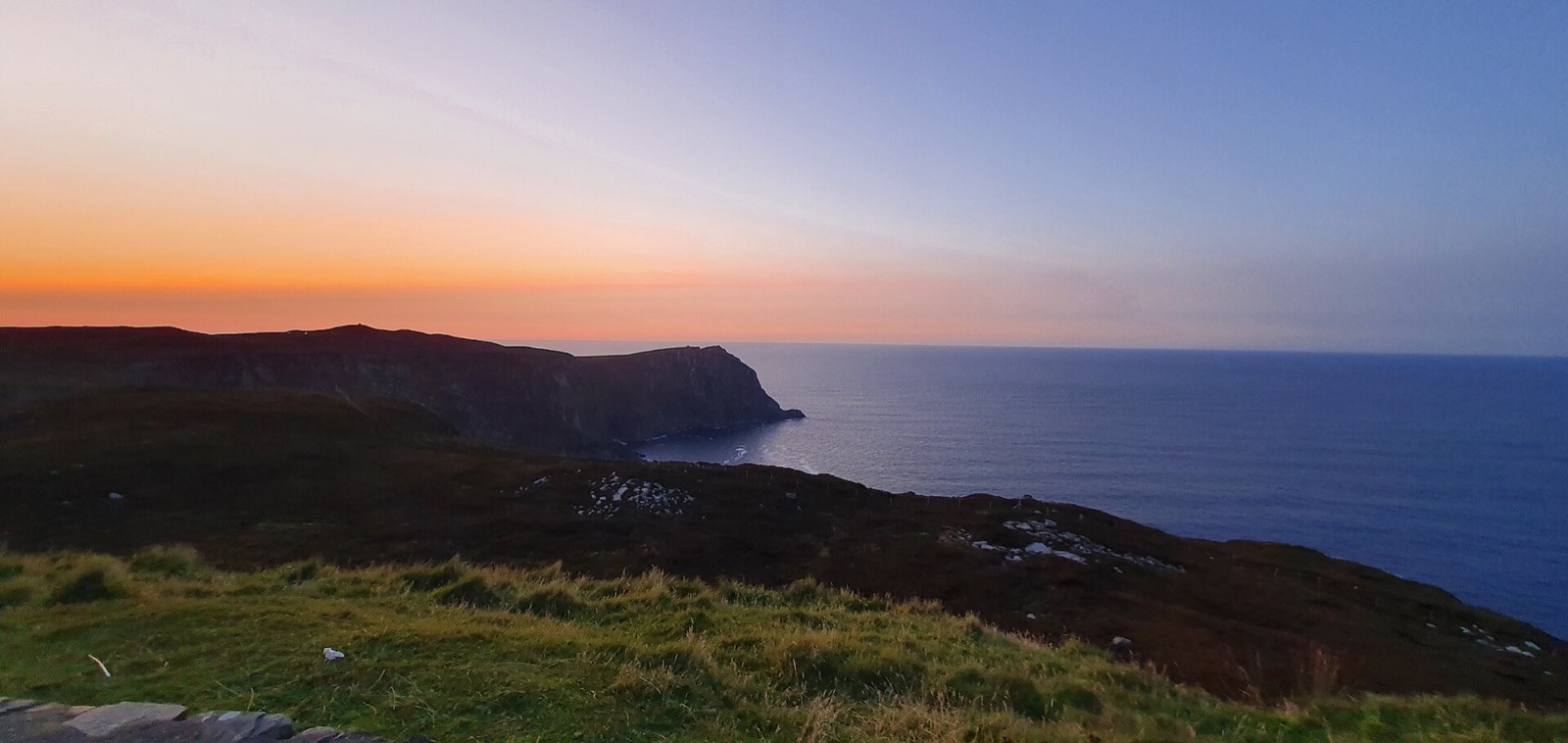
What makes Dunfanaghy is the land around it. Directly north, Horn Head shelters the village from the Atlantic and ends in sea cliffs about 180 metres high, full of nesting seabirds in summer; a narrow road loops up and around it. Killahoey Beach starts at the edge of the village, Marble Hill Strand lies a few kilometres east, and the long Atlantic beach of Tramore lies to the west across the dunes. Further round the bay, Ards Forest Park has woodland, dunes and salt marsh trails.
The village has its share of hard history. The workhouse took in its first inmates in June 1845, just as the Great Famine began, and part of it is now a museum of the famine's impact on the area. West of the village, New Lake is an accident of history too: in the First World War grass on the dunes was over-cut, the sand moved and blocked the river, and the salt marsh became a freshwater lake, now protected for its birds.
Dunfanaghy is a good base for north-west Donegal. Doe Castle is a short drive east near Creeslough, and Glenveagh National Park and the peaks of Muckish and Errigal are inland. Buses run to Letterkenny, and the Irish-speaking villages of the Gaeltacht begin just to the west around Falcarragh.