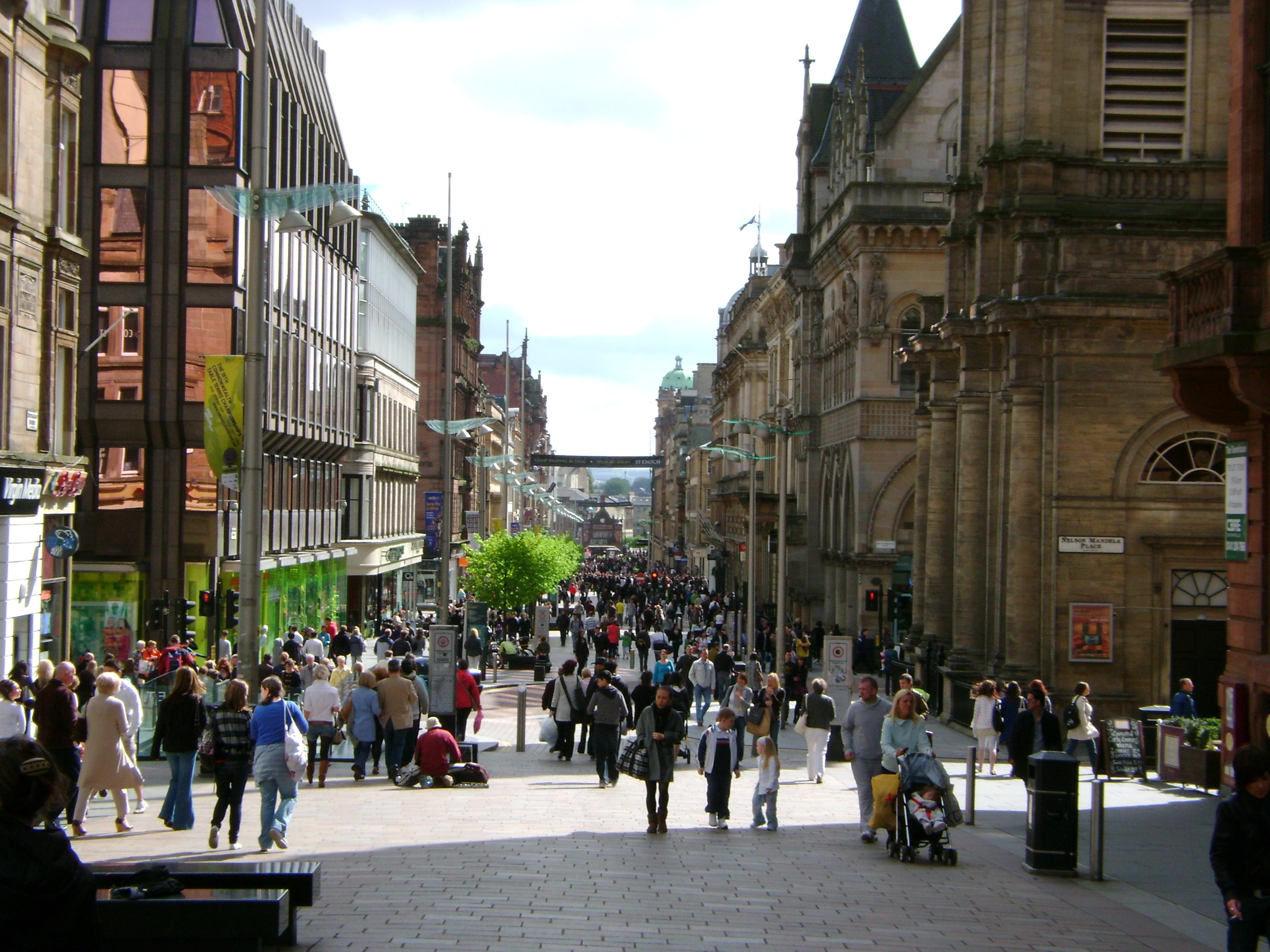
Glasgow is Scotland's largest city — larger than Edinburgh by population — and arguable its most interesting. Formerly "the second city of the British Empire," it built its wealth on trade, tobacco, and shipbuilding, and the Victorian architecture that resulted is the largest and finest collection of its kind anywhere in Britain. The city nearly destroyed itself in the post-war decades with tower blocks and motorways, then pulled off one of the more remarkable urban revivals in European history: it was European City of Culture in 1991, UK City of Architecture and Design in 1999, and is now one of the continent's better cities for arts, food, and independent culture.
Glasgow is also extraordinarily friendly. The Glaswegian reputation for warmth is not exaggerated; strangers talk to you here in a way that surprises visitors from Edinburgh and London equally. The humour is dry, self-deprecating, and quick. The city takes itself less seriously than its achievements warrant, which is part of its charm.
The West End is the neighbourhood most visitors gravitate to, and for good reason: Kelvingrove Museum, the University of Glasgow, the Botanic Gardens, and Byres Road's restaurants and bars all sit within comfortable walking distance. The East End is older and rawer, with Glasgow Cathedral, the Necropolis, the People's Palace, and the Barras market. George Square and the City Centre connect the two.
The museum offer is remarkable and almost entirely free. Kelvingrove and the Burrell Collection are world-class; the Riverside Museum tells the story of the Clyde's shipbuilding years in a spectacular building by Zaha Hadid. The work of Charles Rennie Mackintosh runs through the city like a signature — the Willow Tea Rooms, the School of Art (under restoration after fire), and the Mackintosh House in the Hunterian are the key sites.