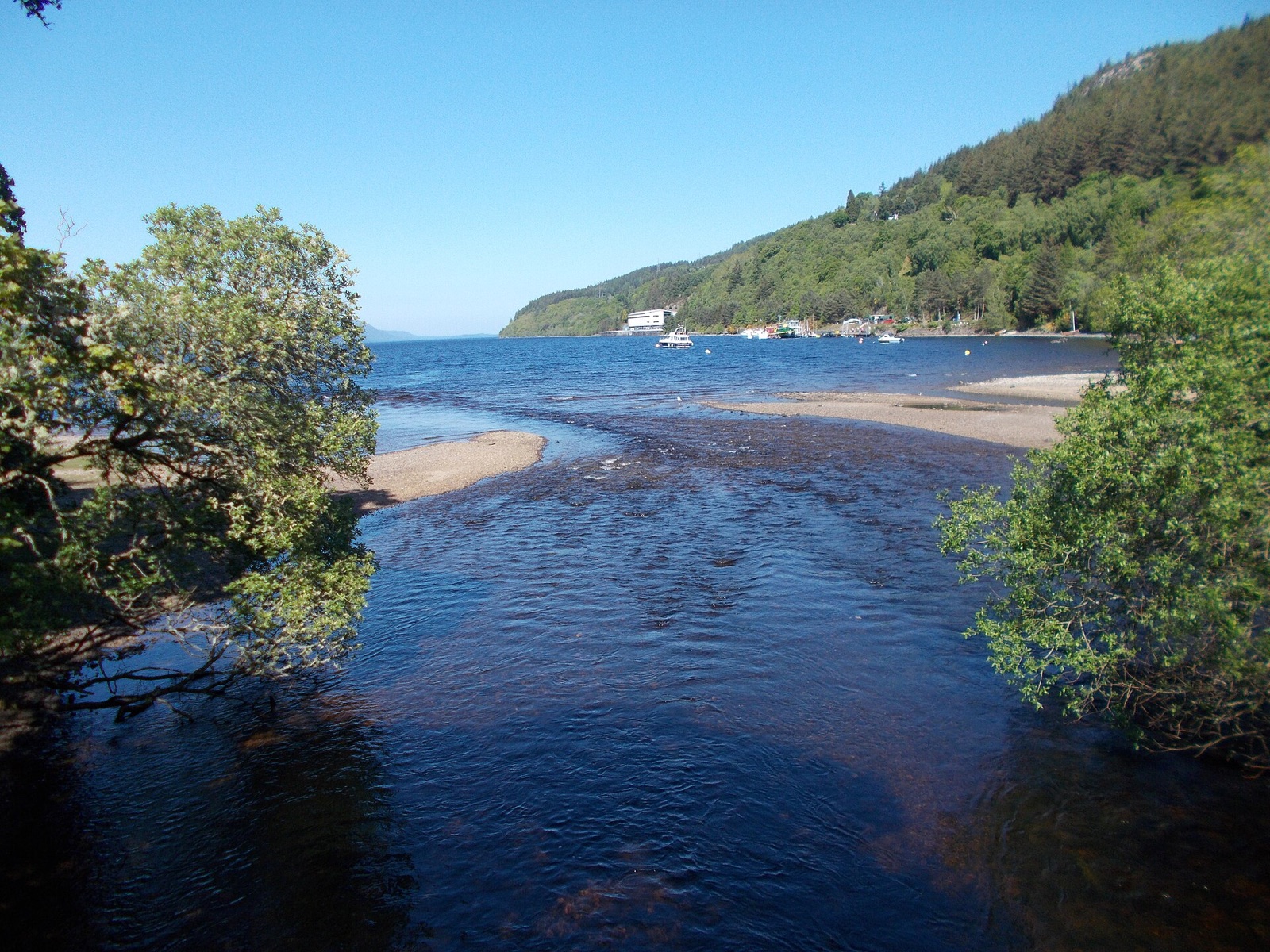
Loch Ness runs 37 kilometres along the Great Glen, the fault line that slices diagonally across the Highlands from Fort William to Inverness. It's only about a mile wide, but it goes down to 230 metres. That makes it the largest body of fresh water in Britain by volume, with more water than all the lakes in England and Wales put together. Peat in the surrounding soil stains it almost black, and the steep wooded sides keep it in shadow for much of the day. Even without a monster it would be a brooding, impressive place.
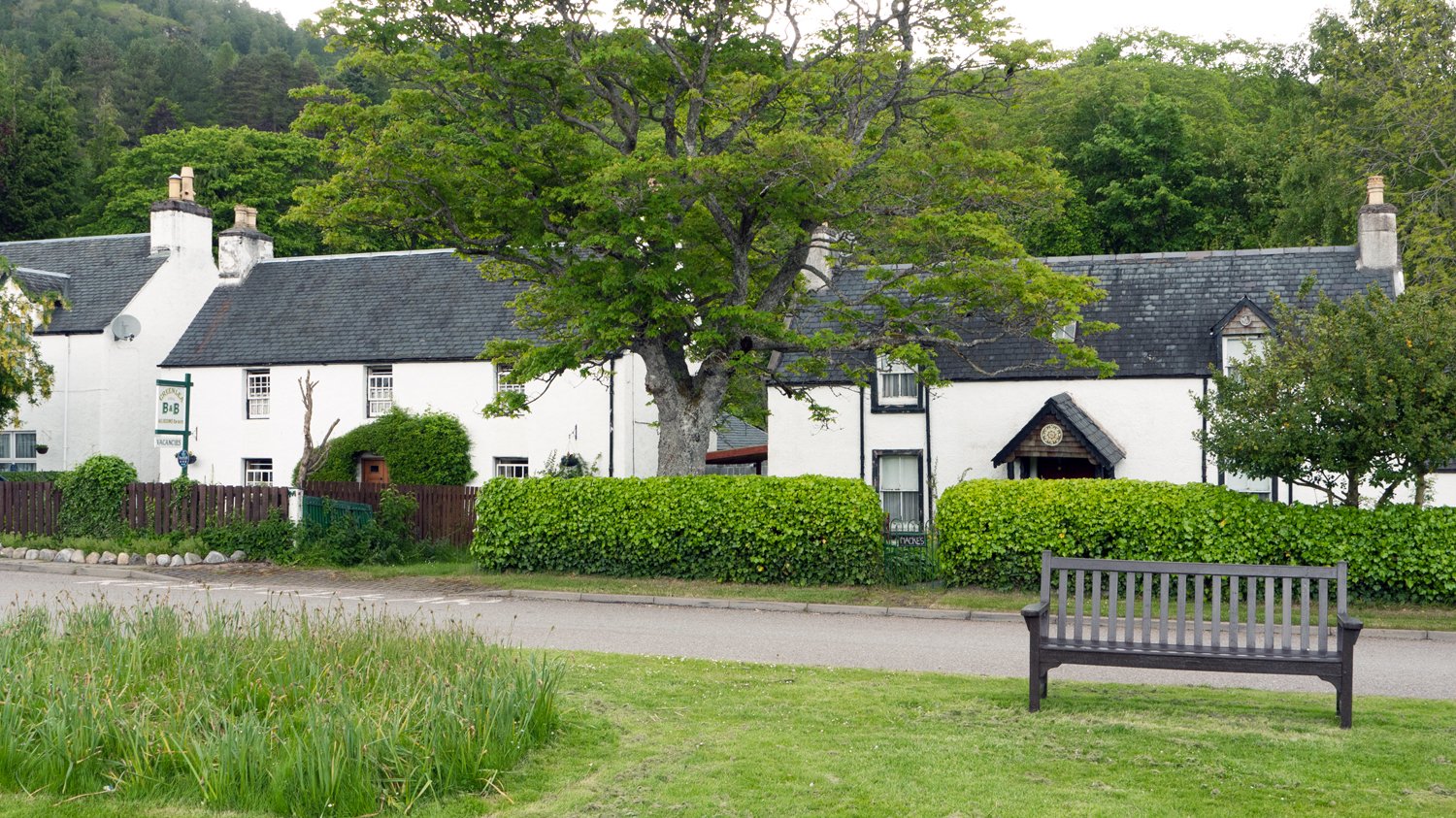
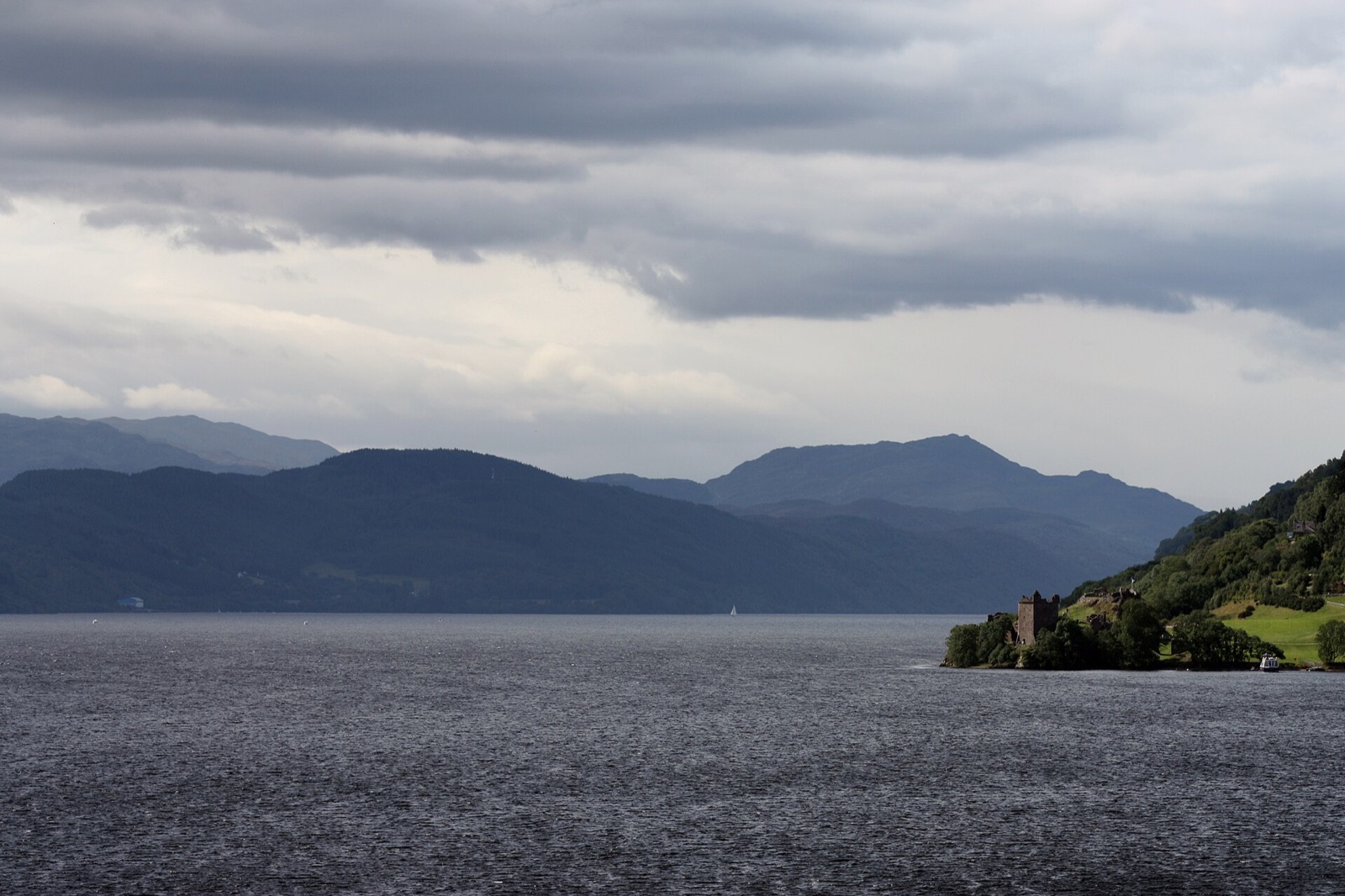
The monster arrived, in its modern form, in 1933. A year later the "surgeon's photograph" made it famous, and that photo turned out to be a toy submarine with a putty head. Nessie has kept a tourist industry going ever since, and the loch's long, glassy calms do play tricks on the eye. Most of that industry is in Drumnadrochit on the west shore, with its exhibition centres, boat trips and, just south of the village, Urquhart Castle on its headland. It's the classic view of the loch.
The two shores are very different. The A82 on the west bank is the busy main road from Fort William to Inverness. It passes through Drumnadrochit and Invermoriston, with its Telford bridge, and the Great Glen Way walking route follows the same side. The east bank follows General Wade's 1720s military road, now a quiet single-track lane through Dores and Foyers, where the falls are the main stop. Together the two roads make a circuit of about 70 miles, which is a good day's drive.
At the southern tip, Fort Augustus is where the Caledonian Canal climbs out of the loch through a flight of five locks. It's the best place on the loch to just sit and watch boats. Nearby is the loch's only island, the ancient crannog of Cherry Island. Inverness is the natural base, with the airport, trains and the most places to stay. Fort Augustus and Drumnadrochit are quieter places to spend the night.
The loch is cold and deep, and the wind funnels straight along it. Swimmers and paddlers should take it seriously.